Breweries stabilise beer against spoilage organisms in two ways: heat (pasteurisation, either tunnel or flash) or removal (sterile filtration through fine membrane cartridges). Pasteurisation treats beer in or just before its final package and adds heat exposure. Sterile filtration removes organisms without heat, but only works if everything downstream is clean.

What heat does to the beer
Pasteurisation uses a measured dose of heat over time, usually expressed in pasteurisation units (PU), to kill spoilage organisms. There are two common formats:
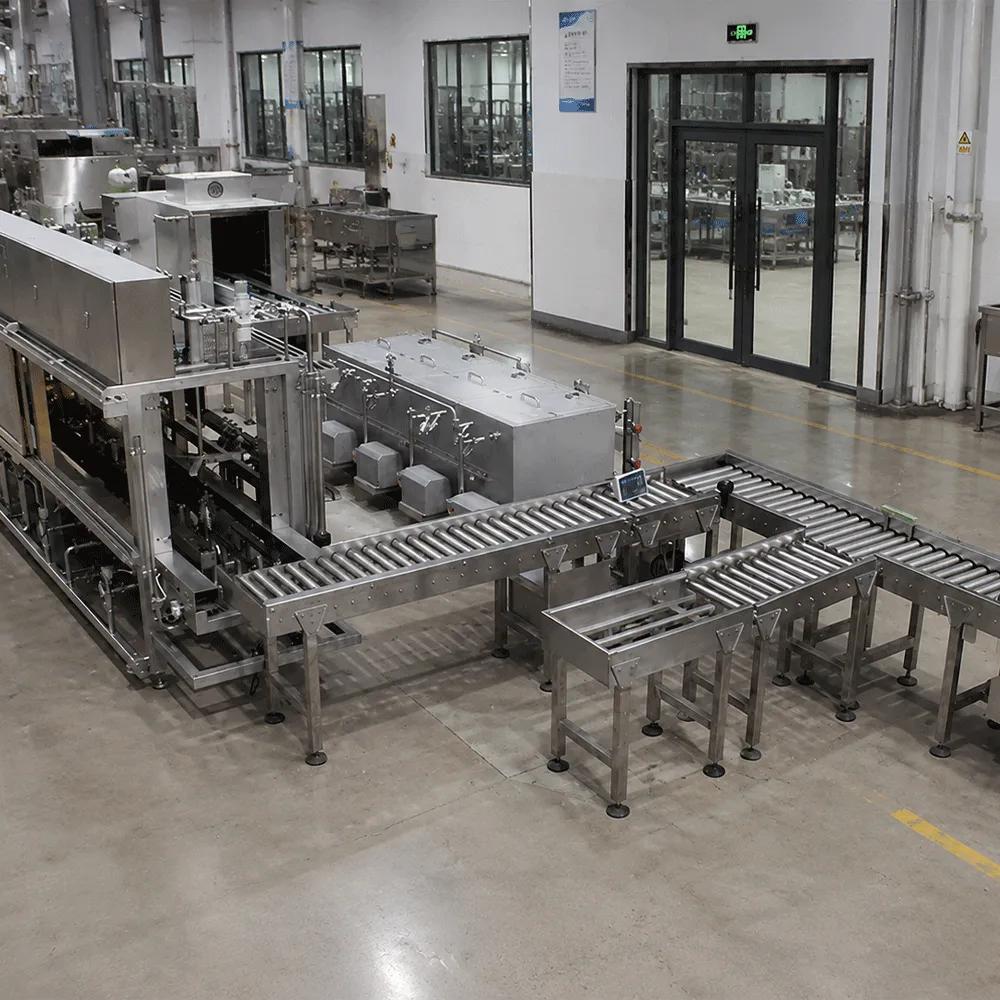
- Tunnel pasteurisers pass filled and sealed bottles or cans through spray zones that warm, hold and cool them. The package is treated as sold, so recontamination after treatment is not a concern.
- Flash pasteurisers heat beer in a heat exchanger as it flows, hold it briefly, then cool it before filling. They are compact and suit keg and bulk lines, but the filler and containers downstream must be clean, because the beer is no longer protected once it has been treated.
The cost to the beer is real. Heat accelerates the chemistry behind stale, cooked or bready notes, and oxygen picked up before or during the process makes it worse. Delicate hop aroma is usually the first thing a taster notices missing. Tunnel units also bring a large footprint, water and energy consumption, and a throughput that is set by the tunnel length and residence time rather than by your filler speed.
How sterile filtration works, and where it fails
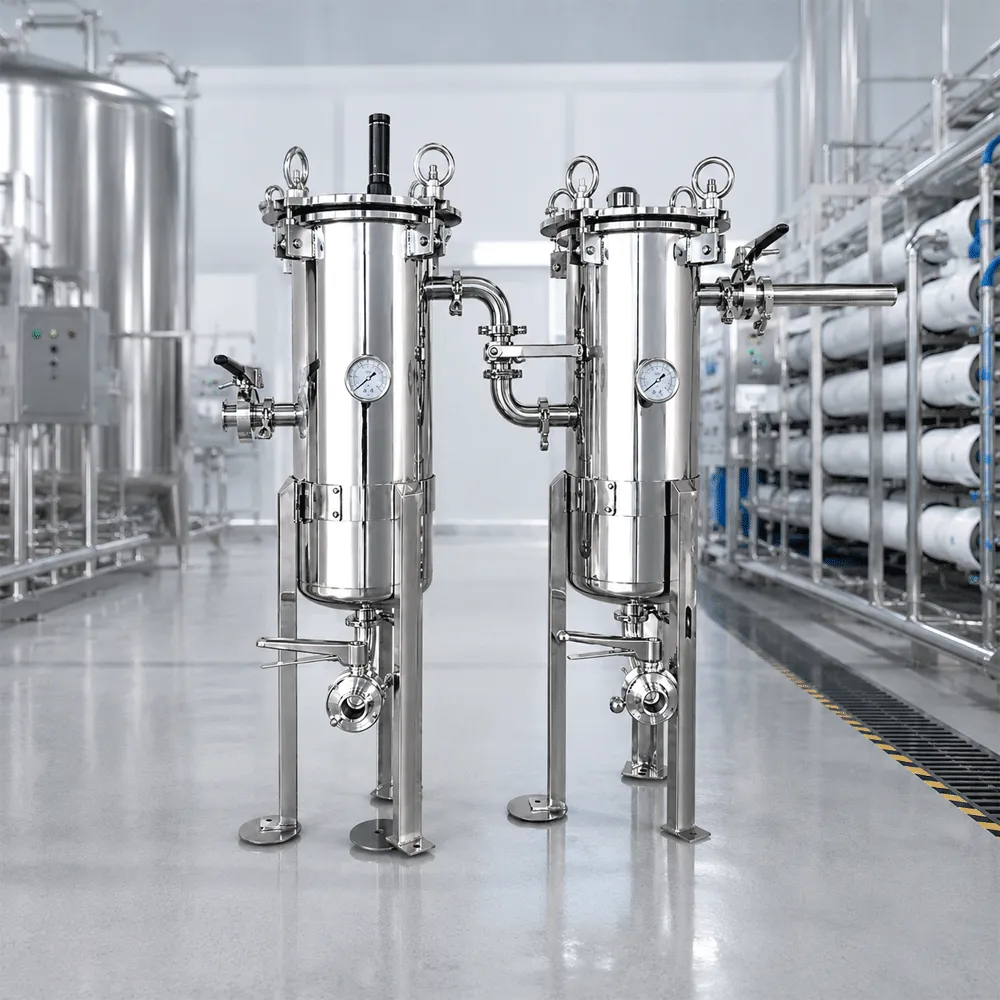
Sterile filtration passes beer through membrane cartridges fine enough to hold back yeast and bacteria. The beer never gets hot, so flavour and aroma are altered less. The catch sits upstream and downstream:
- Membranes clog quickly on cloudy beer. They need a pre-filtration stage (plate-and-frame, sheet or depth filtration) to bring turbidity down first.
- Filtration removes what is suspended in the beer, including some colour, body and protein. For a hazy IPA, that is the style itself being filtered out.
- The beer is only sterile at the cartridge outlet. A contaminated hose, filler head, keg or can line puts organisms straight back in.
- Cartridges need integrity testing and replacement on a schedule, which adds consumables and a procedure someone must own.
Pasteurisation vs sterile filtration at a glance
| Dimension |
Pasteurisation (tunnel / flash) |
Sterile filtration |
| Mechanism |
Heat dose over time |
Physical removal by membrane |
| Where protection applies |
Tunnel: inside the sealed package. Flash: before filling |
Only at the filter outlet |
| Flavour and aroma |
Heat and oxygen risk; hop aroma most exposed |
Heat-free; some body and colour may be stripped |
| Hazy or unfiltered styles |
Compatible with haze, at a flavour cost |
Removes the haze, so it conflicts with the style |
| Recontamination risk |
Low for tunnel, depends on filler for flash |
Depends on a clean downstream line |
| Throughput limit |
Tunnel length and residence time |
Membrane capacity and pre-filter condition |
| Utilities and footprint |
Heating, cooling and water; tunnels are large |
Small footprint; cartridge consumables |
| Operator burden |
Monitoring PU and temperature profile |
Pre-filter management, integrity checks, line hygiene |
| Package formats |
Bottles, cans, kegs (flash) |
Any, if the filling line is clean enough |
| Quotation inputs |
Format, speed, utilities |
Beer turbidity, flow rate, filling line |
Compared with common single-machine packages sold as a standalone pasteuriser or a bare cartridge housing, a project-engineered approach starts from your beer styles, package mix and filling line, because the downstream equipment decides whether either route actually works.
Four mistakes that cause stability failures
- Treating the filter as a guarantee. A sterile-filtered beer filled through an unsanitised line is not sterile. Verify the filler, hoses and containers before blaming the filter.
- Filtering without pre-filtration. Cartridges blind on yeast-laden beer, flow collapses, and operators raise pressure to compensate. Add the pre-filter stage first.
- Pasteurising high-oxygen beer. If dissolved oxygen is already high at packaging, heat makes staling worse. Fix purging and filling before specifying a heat treatment.
- Applying one route to every beer. A clear lager and a hazy pale ale can justify different routes, or a decision to leave the hazy beer on a cold chain only.
Five questions to settle before requesting quotations
- Which package formats will leave the building: kegs, bottles, cans, or all three?
- How far and how warm will the beer travel, and is there a cold chain at every handoff?
- Which beers are clear and which are intentionally hazy or bottle-conditioned?
- What does your filling line look like today, and who owns its hygiene validation?
- What utilities are available on site: steam or electric heating, chilled water, drainage capacity and floor space?
What ZR Brew publicly lists for this equipment
ZR Brew’s supporting-equipment range includes sterilization equipment and filters, among water treatment, CIP systems, centrifuges and glycol chillers. These are selected around the main processing system, raw-material flow, production capacity, plant layout, utilities and automation needs.
FAQ
Is pasteurisation or sterile filtration better for craft beer?
Neither wins on every beer. Pasteurisation suits beer that must survive an uncontrolled supply chain, while sterile filtration suits clear beers where hop aroma matters and the filling line is demonstrably clean.
Can I use both?
Yes. Some breweries filter first to remove yeast, then pasteurise to protect against recontamination during filling. The trade-off is that you carry both costs and both flavour effects.
Does sterile filtration work on hazy beer?
It removes the suspended material that creates haze, so it is a poor fit for hazy styles. Those beers more often rely on cold chain handling or heat treatment.
Does a flash pasteuriser protect beer after filling?
No. It treats the beer before it reaches the filler, so containers and filler heads must be clean. A tunnel pasteuriser treats the sealed package.
Does ZR Brew publish specifications for its sterilization equipment and filters?
Not currently. Model numbers, capacities and filter media are provided in the project proposal after your requirements are reviewed.
What should I send to get an accurate quotation?
Send your package formats, annual and per-batch volumes, beer styles (clear or hazy), your current filling line, available utilities, and destination country.


 Publié