Fermentation Tank Cost: What Changes the Price?
ZR Brew Technical Team
Equipo de ingeniería de equipos para la elaboración de cerveza, la fermentación y las bebidas
Updated: September 21, 2026
Fermentation tank cost depends on the complete vessel specification, not capacity alone. Pressure rating, jacket coverage, insulation, valves, controls, surface finish, certification, freight, and installation can change the quotation. ZR Brew does not publish a standard price list, so a project-specific quotation is required.
Fermentation tank cost starts with a complete specification
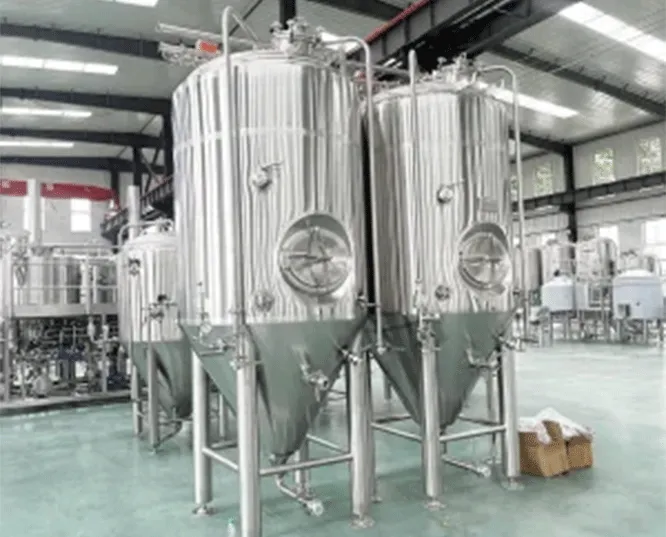
Marketplace listings often compare tanks by nominal liters and omit working volume, pressure class, cooling area, included fittings, and delivery scope. That makes the lowest displayed price difficult to compare. A usable quotation should state what is included, what is optional, and which items will be supplied locally.
Quote worksheet: the numbers that must be defined
| Quote input |
What must be stated |
Why it changes cost |
| Capacidad |
Working volume, total volume, diameter, and height |
Changes stainless-steel area, fabrication time, shipping size, and cellar footprint. |
| Pressure |
Working pressure, test requirement, relief setting, and destination standard |
May change shell design, fittings, testing, documentation, and inspection. |
| Enfriamiento |
Jacket zones, coverage, glycol connections, and design temperature |
Adds formed jacket area, welding, piping connections, and controls. |
| Aislamiento |
Material, thickness, outer cladding, and finish |
Adds material and fabrication while reducing heat gain and condensation. |
| Controles |
Temperature sensor, controller, solenoid valve, and wiring scope |
Changes component count and commissioning work. |
| Fittings |
Manway, sample valve, racking arm, CIP device, carbonation stone, ports, and valves |
Each sanitary fitting adds hardware, welding, polishing, and inspection. |
| Delivery |
Crating, inland transport, ocean freight, insurance, rigging, and installation |
Defines the landed cost rather than the factory vessel price. |
Capacity and geometry affect more than steel weight
ZR Brew’s public fermenter range covers approximately 100L to 5000L, plus BBL-based configurations. Larger vessels use more material, but geometry also affects fabrication, jacket layout, transport, door access, and floor loading. A tall, narrow vessel and a short, wide vessel with the same working volume can have different fabrication and site costs.
One published 3000L configuration lists approximately 3750L total volume, 100 mm insulation, 0.2 MPa working pressure, and SUS304 construction. Those values apply only to that configuration; they are useful quote inputs, not a universal specification for every 3000L fermenter.
Pressure rating, cooling, and certification
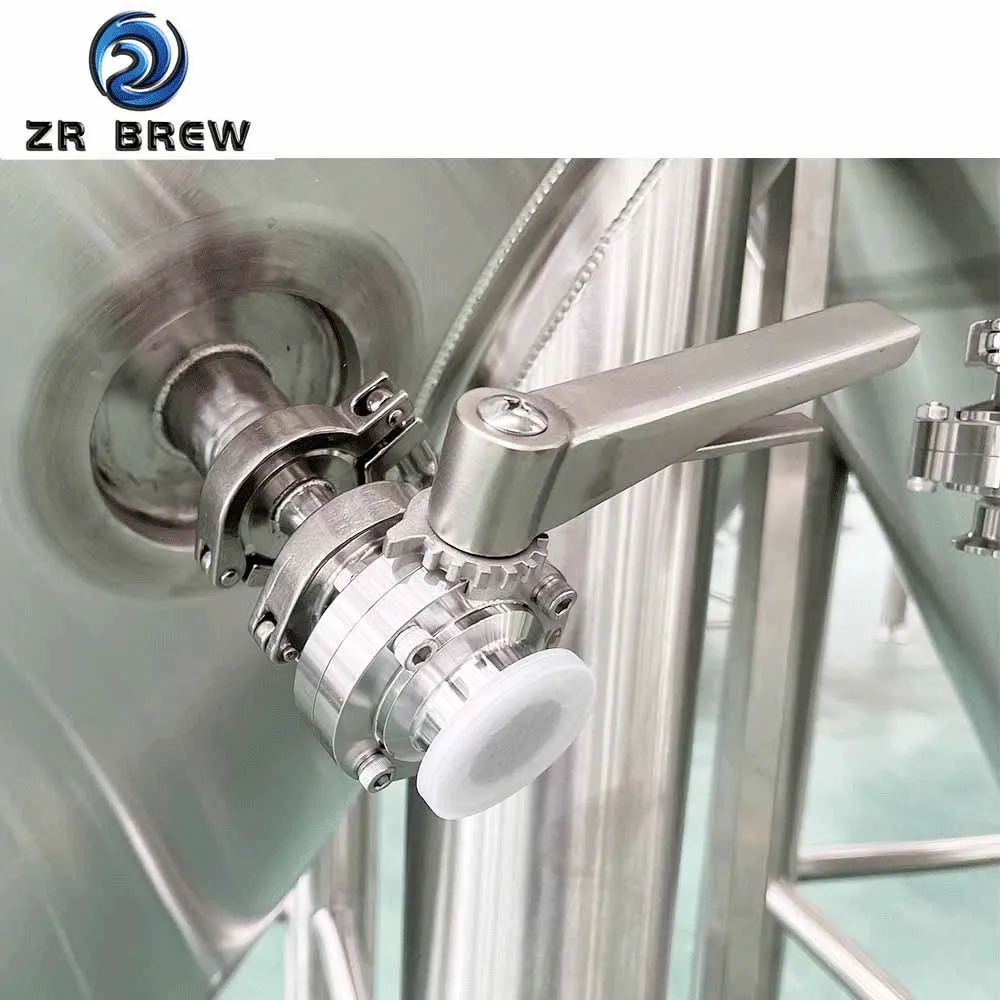
A pressure-capable fermenter needs a defined working pressure, relief strategy, testing scope, and destination-market documentation. Increasing pressure requirements may affect wall thickness, nozzles, fittings, welding procedures, testing, and inspection. Cooling cost depends on the number and position of glycol zones, not merely whether a jacket appears on a checklist.
The European Commission’s Pressure Equipment Directive reference explains the EU framework for pressure equipment. It does not prove that a specific tank complies; the applicable declaration, certificate, test report, and model scope must be confirmed for the order.
Ports, finish, and controls are easy to underquote
Sanitary valves, a side manway, racking hardware, sample points, carbonation equipment, level devices, extra ports, automated temperature control, and specified internal finish all add work. Removing necessary fittings to reach a target price can increase later modification cost and downtime. Conversely, buying unused automation or redundant ports increases capital cost without improving the production schedule.
The Japan expansion shows why tank quantity matters
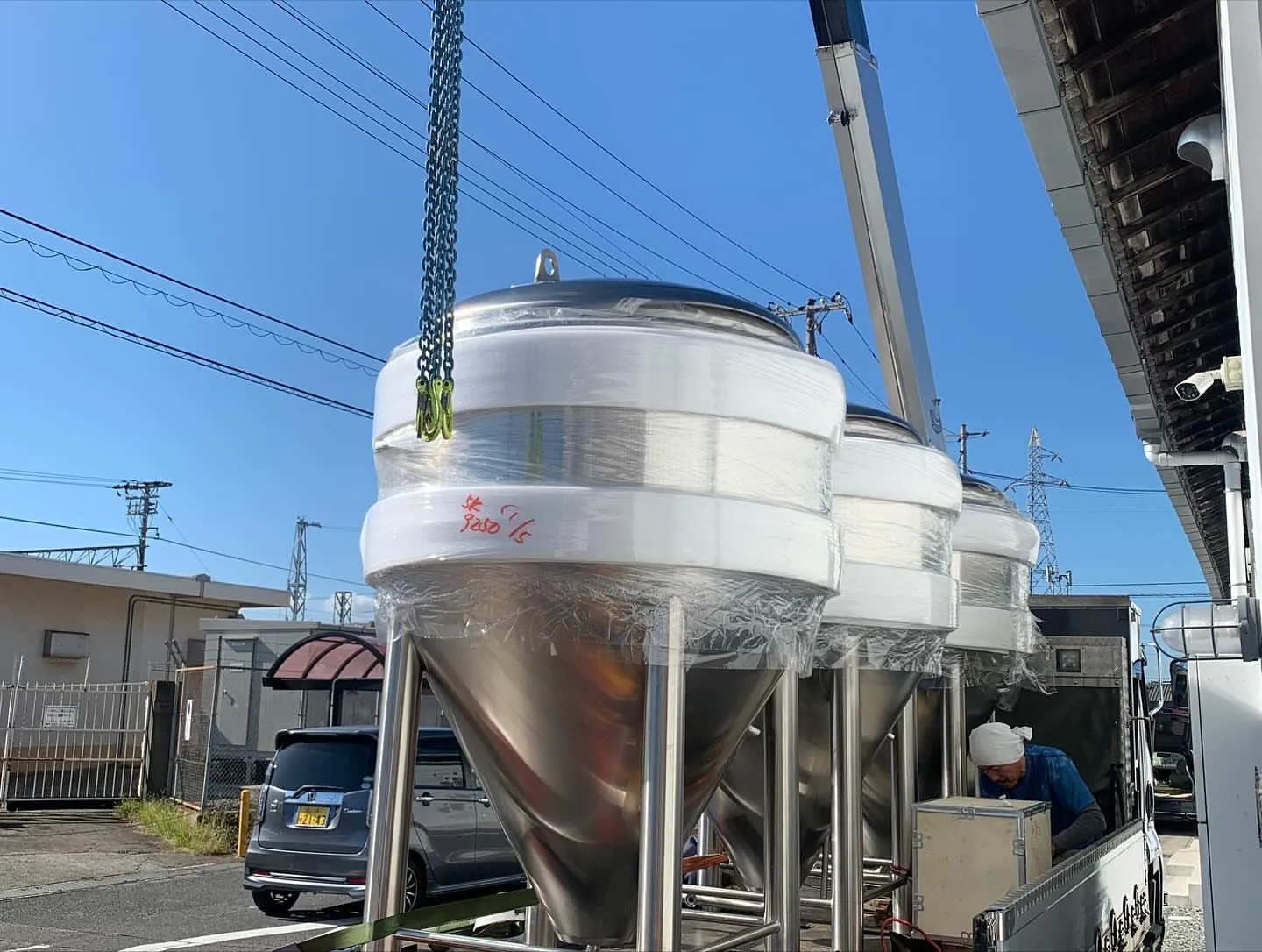
For the verified Kurashiki Brewing Company project in Japan, ZR Brew supplied three 1000L stainless steel fermentation tanks. The disclosed outcome was additional fermentation capacity and more flexible batch scheduling; no public project price or numerical performance improvement was published. This case shows why a quote must consider tank quantity and production scheduling rather than comparing one vessel in isolation.
Calculate landed cost, not only factory price
- Define beverage, working volume, batch frequency, pressure, cooling, fittings, controls, and finish.
- Request an itemized quotation that separates the vessel, accessories, controls, crating, freight, installation, and commissioning.
- Confirm electrical, glycol, drainage, rigging, floor-loading, and access work that is excluded from the supplier scope.
- Compare warranty, spare parts, documentation, testing, and response arrangements alongside price.
- Model the cost per usable fermentation slot and the effect of cleaning and turnaround time on annual capacity.
Use the fermentation tank design and dimensions guide to prepare the drawing inputs, then review the broader brewery equipment cost guide for utilities, freight, installation, and commissioning.
Preguntas frecuentes
How much does a stainless steel fermentation tank cost?
ZR Brew does not publish a standardized price range. The tank requires a project-specific quote based on capacity, pressure, cooling, insulation, fittings, finish, controls, certification, and delivery scope.
Why can two tanks with the same capacity have different prices?
They may differ in working versus total volume, material grade, pressure rating, jacket zones, insulation, included valves, controls, polishing, testing, documentation, and freight.
Does the cheapest tank produce the lowest lifecycle cost?
Not necessarily. Missing cooling area, difficult valve access, unsuitable dimensions, weak service coverage, or expensive site modifications can outweigh a lower initial price.
What should I send for an accurate quotation?
Provide the beverage, batch volume, fermentation schedule, target working pressure, glycol conditions, available room dimensions, required fittings, power standard, destination, and expected delivery scope.
For an itemized, project-specific quotation, send ZR Brew your vessel schedule and cellar constraints. Include the planned expansion phase so the current tank layout does not block future capacity.
Author: ZR Brew Technical Team, Brewing, Fermentation and Beverage Equipment Engineering Team. The team supports planning, engineering, manufacturing, installation, and commissioning for brewery and beverage-processing projects.


 Publicado