 Get Free Quote
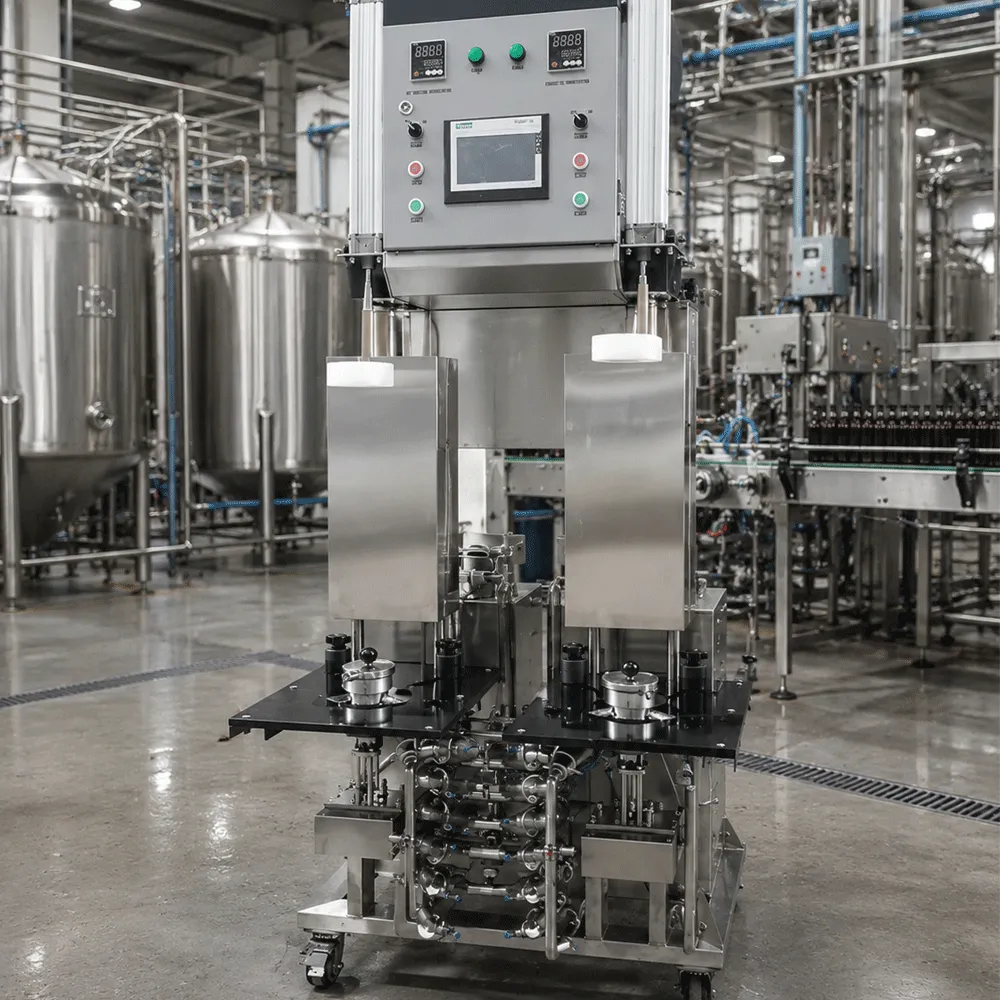
Lifting Table Board Reduces Manual Handling Load:
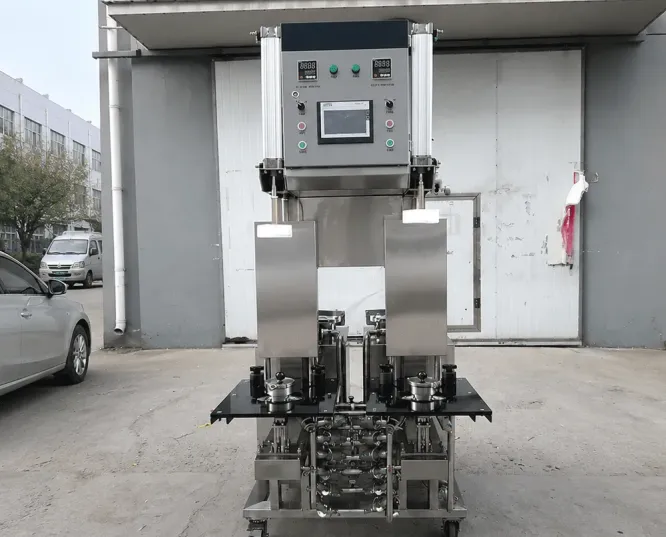
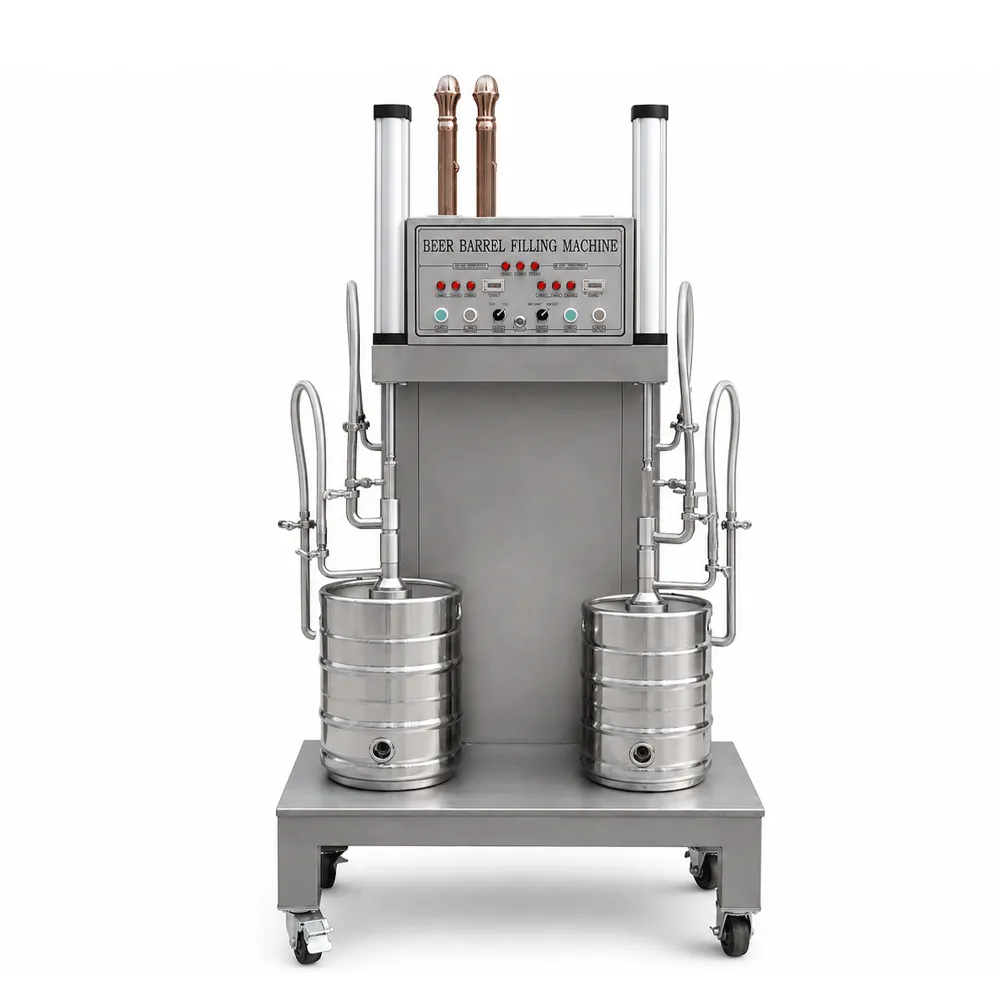
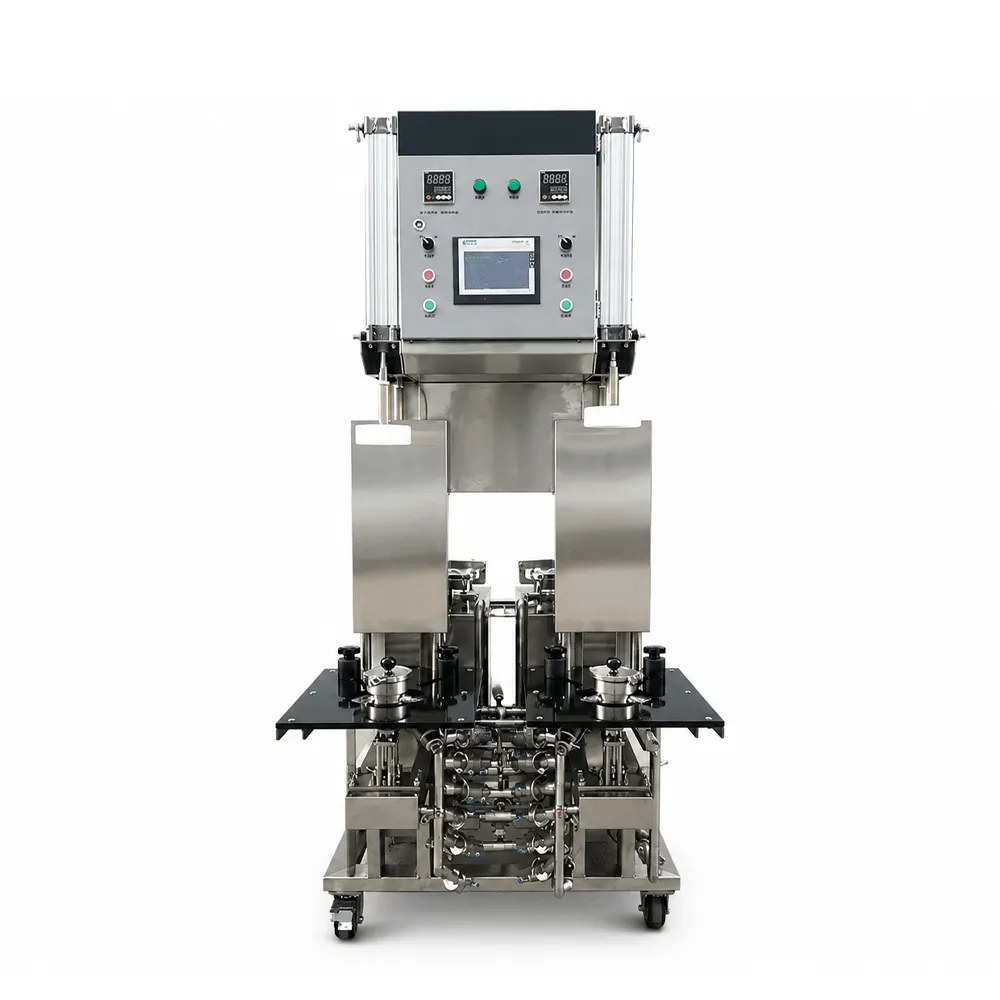
The lifting table board mechanism allows operators to raise and position kegs at a comfortable working height rather than lifting heavy kegs manually at floor level. This directly reduces operator fatigue during high-frequency kegging runs and supports a more sustainable production pace — particularly relevant for operations running multiple shifts or high daily keg volumes.
Integrated Wash-and-Fill in a Single All-in-One Unit:
Keg washing, CO₂ purging, and beer filling are completed within a single machine in one continuous process. This eliminates the floor space and capital cost associated with maintaining two separate units for washing and filling, while reducing the number of keg transfer steps between machines.
PLC Automatic Control with Touch-Screen Parameter Adjustment:
All operational parameters — including washing duration, purging pressure, and filling volume — are managed through a PLC automatic control system with a touch-screen interface. Parameters can be adjusted at any point during production without stopping the machine, minimising downtime during format or batch changeovers.
Double-Acting Angle Seat Valve for Consistent, Low-Loss Filling:
The pneumatic double-acting Angle seat valve provides precise actuation sensitivity across every filling cycle. This design reduces beer foaming and liquid waste during the filling stage, supporting better yield consistency across high-volume daily kegging operations.
Dual Heating Method Options — Electric or Steam:
The machine is available in electric heating (8 kW) or steam heating (1 kW connected to an external steam source), allowing buyers to select the heating configuration that best matches their facility’s existing utility infrastructure and energy management requirements.
Built-In CIP Automatic Cleaning System:
The integrated CIP (Clean-in-Place) system allows the washing and filling circuit to be cleaned and sanitised in place without manual disassembly. This reduces daily cleaning time, limits contamination risk between batches, and supports the hygienic standards required in food-grade brewing and beverage production environments.