
 Get Free Quote
Invert Washing Method for Thorough Interior Bottle Cleaning
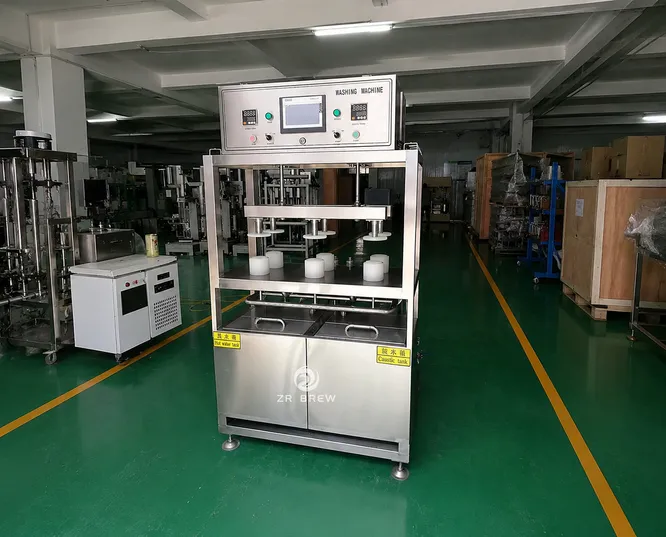
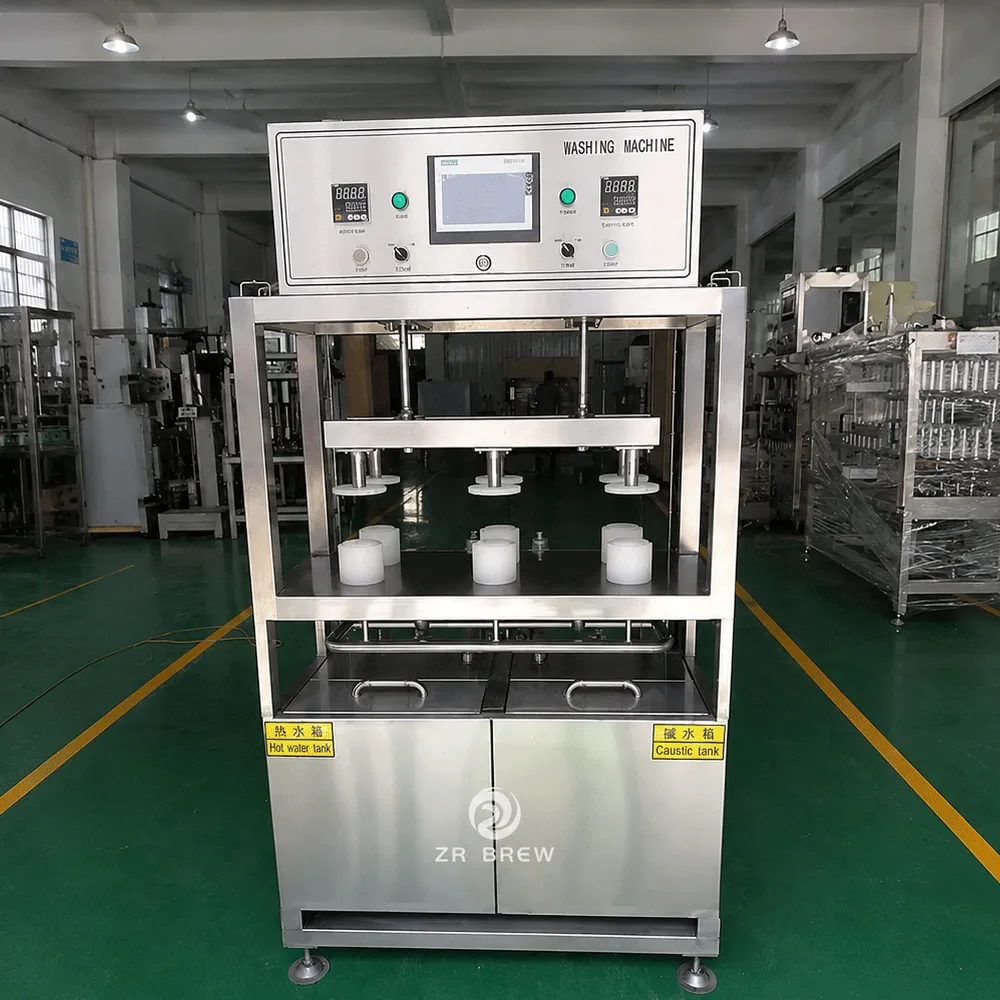
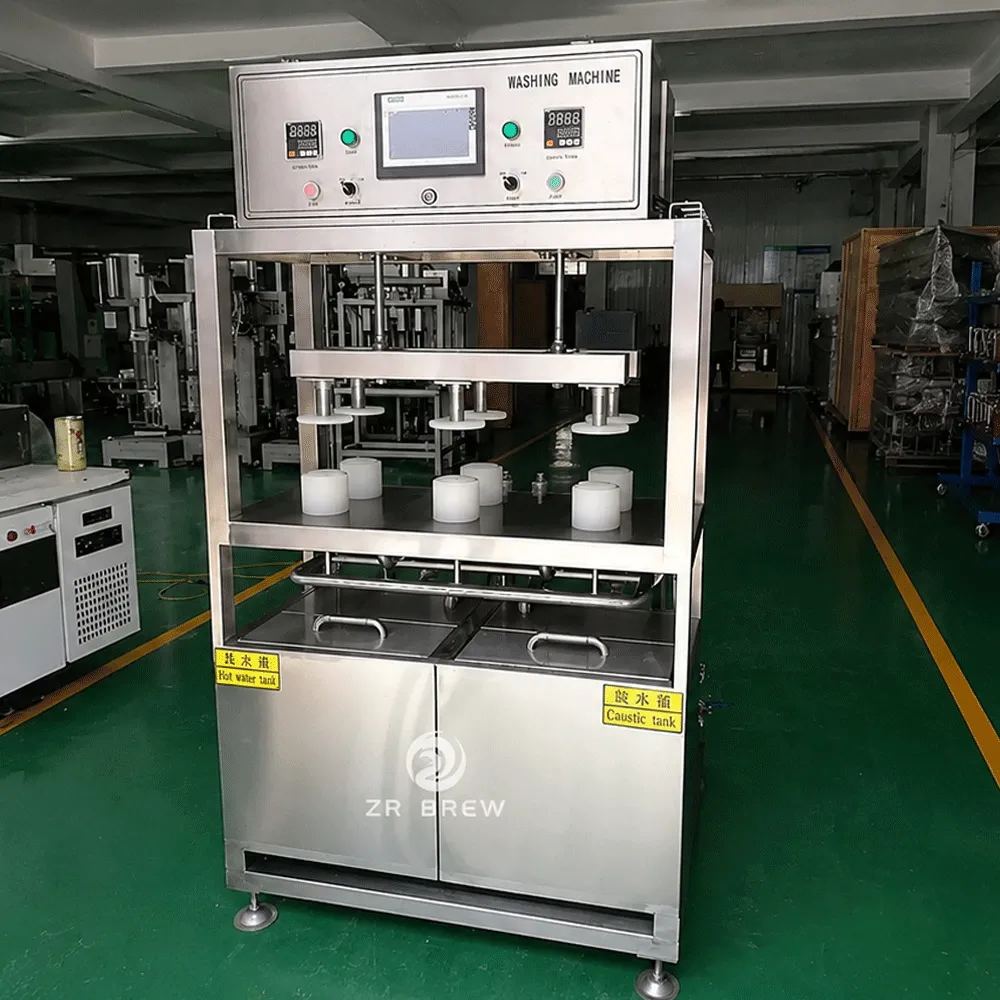
Bottles are held and washed in an inverted position throughout the cleaning cycle, allowing hot water, caustic solution, and sanitiser to drain freely from the bottle interior under gravity — achieving more thorough cleaning coverage of the internal glass surface than upright washing methods, and preventing residue pooling at the bottle base.
Siemens PLC Control with On-the-Fly Parameter Adjustment
All washing cycle parameters — including soaking time, spray duration, temperature setpoints, and sequence timing — are managed by a Siemens programmable controller. Parameters can be adjusted by the operator at any point during production without interrupting or stopping the machine, reducing downtime during production shifts and enabling rapid changeovers between different bottle formats or cleaning protocols.
Flexible Heating Method: Electric or Steam
The machine is available with either electric heating or steam heating, allowing buyers to select the configuration that matches their facility’s energy infrastructure without the need for additional utility installation. Steam heating is suited to facilities with existing boiler capacity; electric heating provides a self-contained solution for facilities without steam supply.
Three-Tank Configuration for Enhanced Microbial Control
The three-tank configuration adds a dedicated sanitiser tank to the standard hot water and caustic cleaning stages, providing a three-stage wash sequence — pre-wash, caustic cleaning, and final sanitisation — that meets more stringent microbial control requirements for commercial beer bottling, export market compliance, and HACCP-aligned production environments.
World Top-Brand Accessories for Process Reliability
Main mechanical and electrical components are sourced from globally recognised top-tier brands, reducing the risk of component failure during continuous commercial bottling operations and supporting long-term maintenance with readily available replacement parts in most international markets.
Two-Tank or Three-Tank Configuration to Match Line Requirements
Buyers can select a two-tank or three-tank setup based on their cleaning protocol requirements, production environment, and hygienic standards — providing flexibility to specify the machine precisely for the sanitation demands of their bottling line without paying for excess capacity or unnecessary stages.