A countertop beer making machine is a consumer appliance built for home-scale batches and convenience. A 50L–200L pilot brewing system is commercial stainless steel equipment with separate vessels, adjustable heating and fermentation tanks. For a bar that plans to sell house beer regularly, the pilot system is usually the realistic starting point.
Two Machines That Only Share a Name
Search “beer making machine” and most results are consumer appliances: countertop units that brew from kits, capsules or small all-grain recipes with one button and an app. They are designed for a kitchen, not a back-of-house brewing area.
A pilot brewing system sits at the other end. ZR Brew groups its home and pilot systems in the 50L–200L batch range, built from food-grade SUS304 stainless steel with separate brewing vessels, a choice of heating method and PID or PLC control. The same equipment class is used for bar brewing, restaurant brewing and recipe development in larger breweries.
Both make beer. The difference is who they were designed for, and that decides almost everything a bar owner cares about.
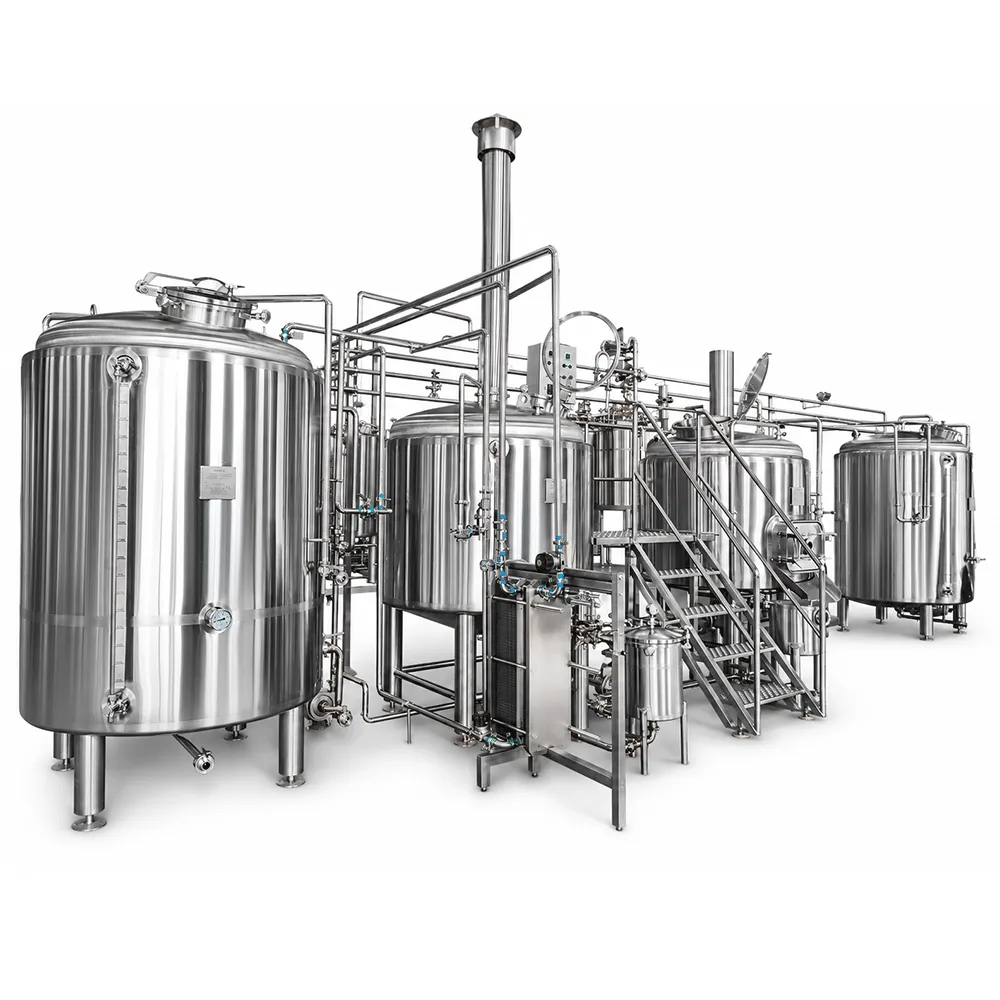
Countertop Machine vs 50L–200L Pilot System: Side by Side
| Faktor |
Countertop all-in-one beer machine |
50L–200L pilot brewing system |
| Designed for |
Home users |
Bars, restaurants, pilot and recipe brewing |
| Batch size |
Home-scale; check the model |
50L–200L per batch |
| Ingredients |
Often proprietary kits or capsules; some accept all-grain |
Malt, hops, yeast and water chosen by the brewer |
| Recipe control |
Limited to what the software and kit allow |
Full control of mash, boil, hopping and fermentation |
| Vessels |
Single integrated unit |
Separate vessels; structure configured per project |
| Heizung |
Built-in electric element |
Electric, steam or direct fire, depending on system size and site |
| Steuerung |
App or onboard program |
PID oder SPS |
| Gärung |
Often in the unit or a supplied keg |
Dedicated stainless fermentation tanks with glycol cooling |
| Material |
Varies by manufacturer |
Food-grade SUS304 |
| Versorgungsunternehmen |
Standard power outlet |
Water, drainage, power or steam, cooling and ventilation planned per site |
| Space |
Countertop |
Dedicated brewing area |
| Support |
Consumer retail warranty and app updates |
Layout planning, installation guidance, commissioning support and spare parts |
| Price basis |
Retail price |
Itemized project quotation |
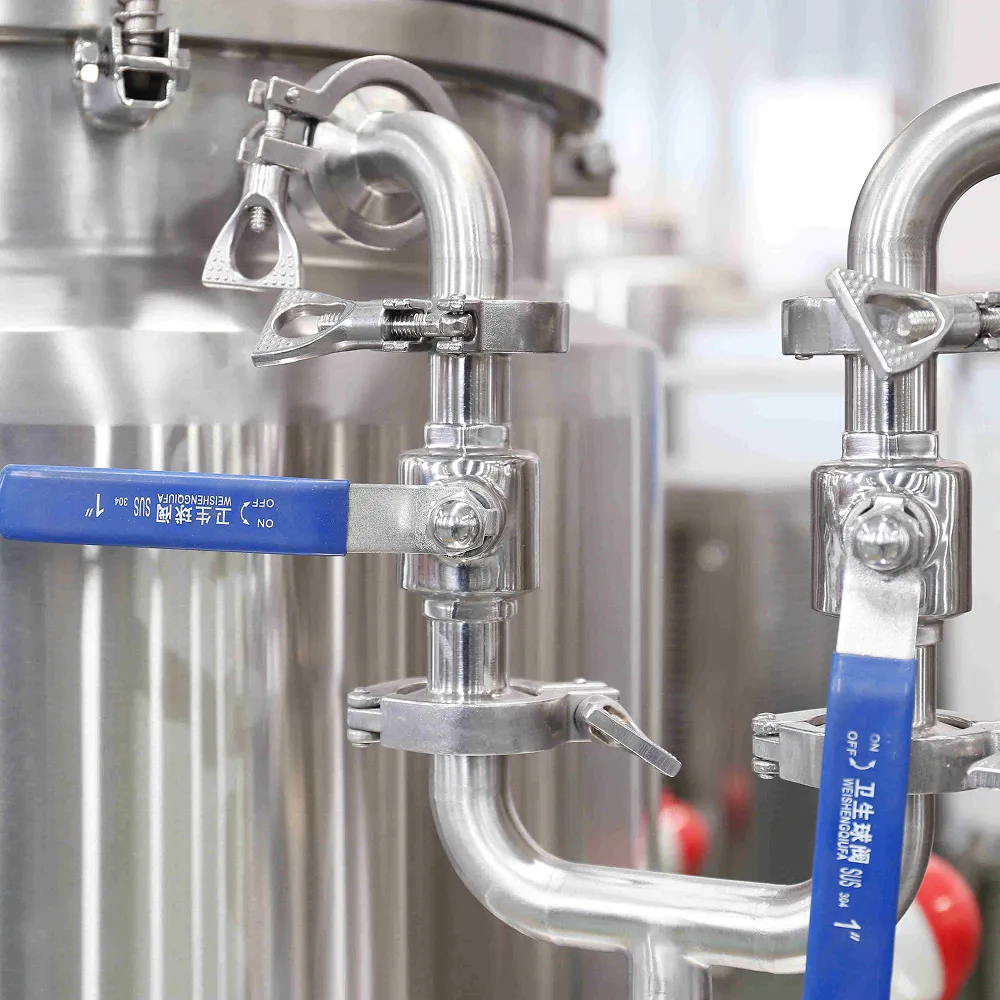
When a Countertop Machine Is the Right Call
There are honest reasons to start small. A countertop unit fits a bar that wants a novelty: a “brewed in house” talking point, a staff training tool, or a way to test whether guests will order a house style at all. It needs no construction work, no utility changes and very little brewing knowledge.
The limits show up quickly once sales start. Batch output is sized for a household, so a busy tap can empty in a single evening. Proprietary kits narrow your recipe range and tie your ingredient costs to one supplier. Most consumer appliances are not sold or supported for commercial duty, so check the warranty terms before using one behind a bar; heavy daily use may fall outside them.
What a Pilot System Adds, and What It Asks of You
A 50L–200L system turns house beer into a menu category instead of a gimmick. You choose every ingredient, repeat recipes reliably and scale up a successful beer later without relearning the process. Stainless fermentation tanks with glycol jackets let you hold fermentation temperature steadily, which is one of the biggest factors in whether a batch tastes the same as the last one.
It also asks for more:
- A floor area with drainage and space around each vessel for cleaning
- Electrical capacity sized for the heating method you choose, or a steam supply
- A cooling system for the fermentation tanks
- Ventilation for steam and heat from the boil
- A staff member who learns the process and owns brew day
None of these is unusual for a commercial kitchen, but they need planning before equipment is ordered.
ZR Brew 50L–200L Pilot Systems: Configuration Options
ZR Brew‘s home and pilot brewing systems cover batch capacities from 50L to 200L. The main options are:
| Parameter |
Published options |
| Chargenkapazität |
50 l – 200 l |
| Material |
Food-grade stainless steel, normally SUS304; other materials subject to project confirmation |
| Heizung |
Electric, steam or direct fire, depending on system size and site conditions |
| Steuerung |
PID oder SPS |
| Automatisierungskomponenten |
Siemens, Schneider, Allen-Bradley or other agreed brands, depending on the project |
| Gärung |
Stainless fermentation tanks with glycol cooling jackets, configurable ports, valves and manway |
| Anwendungen |
Home brewing, pilot brewing, bar brewing and restaurant brewing |
Before production, ZR Brew can evaluate the site and utilities, propose a 2D or 3D layout and confirm materials and components. During fabrication, buyers can request factory video inspections and receive weekly production photos and videos. Operating documentation is available in English, French or Spanish, with remote installation guidance and on-site commissioning where agreed in the contract.

7 Steps to Plan House Beer for a Bar or Restaurant
- Estimate weekly house-beer sales. Use current draft sales and decide what share house beer should take. You are done when you have a weekly volume figure in liters.
- Check licensing. Ask your local authority what permit covers on-site brewing for sale and how long approval takes.
- Decide the beer range. List how many house beers you want on tap at once. Each needs its own fermentation tank capacity.
- Size fermentation first. Multiply beers on tap by the time each spends fermenting and conditioning. That gives the number of tanks.
- Choose the batch size. Pick the 50L–200L size that fills those tanks in a brew schedule your staff can actually run.
- Survey the site. Measure the brewing area, doors and drainage, and list available power, water and ventilation. Send this to the supplier with photos.
- Approve the layout and documents before production. Sign off the layout, the component list and the compliance documents your market requires.
Matching the Equipment to Your Venue
| Your situation |
Better fit |
| Testing guest interest, no brewing staff, no space for works |
Countertop machine |
| House beer as a permanent menu item, at least one staff brewer |
50L–200L pilot system |
| Hotel or restaurant group planning several outlets |
Pilot system, sized for later expansion |
| Existing brewery needing a recipe-development kit |
Pilot system |
If a pilot system is the likely fit, the next useful step is a site survey: measure the space, list the utilities and send them with your target weekly volume for a layout proposal.
Häufig gestellte Fragen
Can I legally sell beer from a countertop beer making machine?
That depends on local law, not the machine. Many jurisdictions require an on-site production permit to sell beer you brew. Also check whether the appliance warranty covers commercial use.
What batch sizes does ZR Brew offer for bars?
Home and pilot systems run from 50L to 200L per batch. Fermentation tanks are configured to match the brew schedule.
Do I need steam to run a pilot system?
No. Electric, steam and direct-fire heating are available, depending on system size and site conditions.
Is a pilot system hard to operate?
It needs a trained staff brewer. PID control suits manual brewing; PLC control adds automation. Remote guidance and operating manuals are available.
How much does a 100L pilot brewing system cost?
There is no public price list. Prices are quoted per project based on vessels, heating, controls, fermentation tanks, shipping and installation.


 Veröffentlicht