 Get Free Quote
4-Vessel Separation — Up to 6 Commercial Batches Per Day
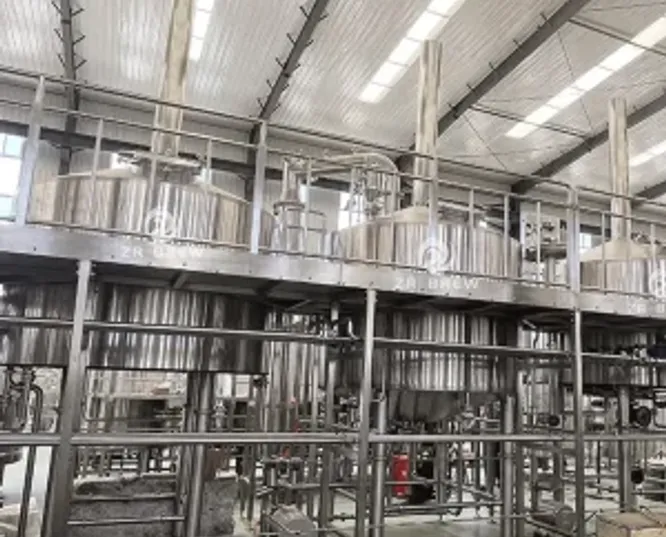
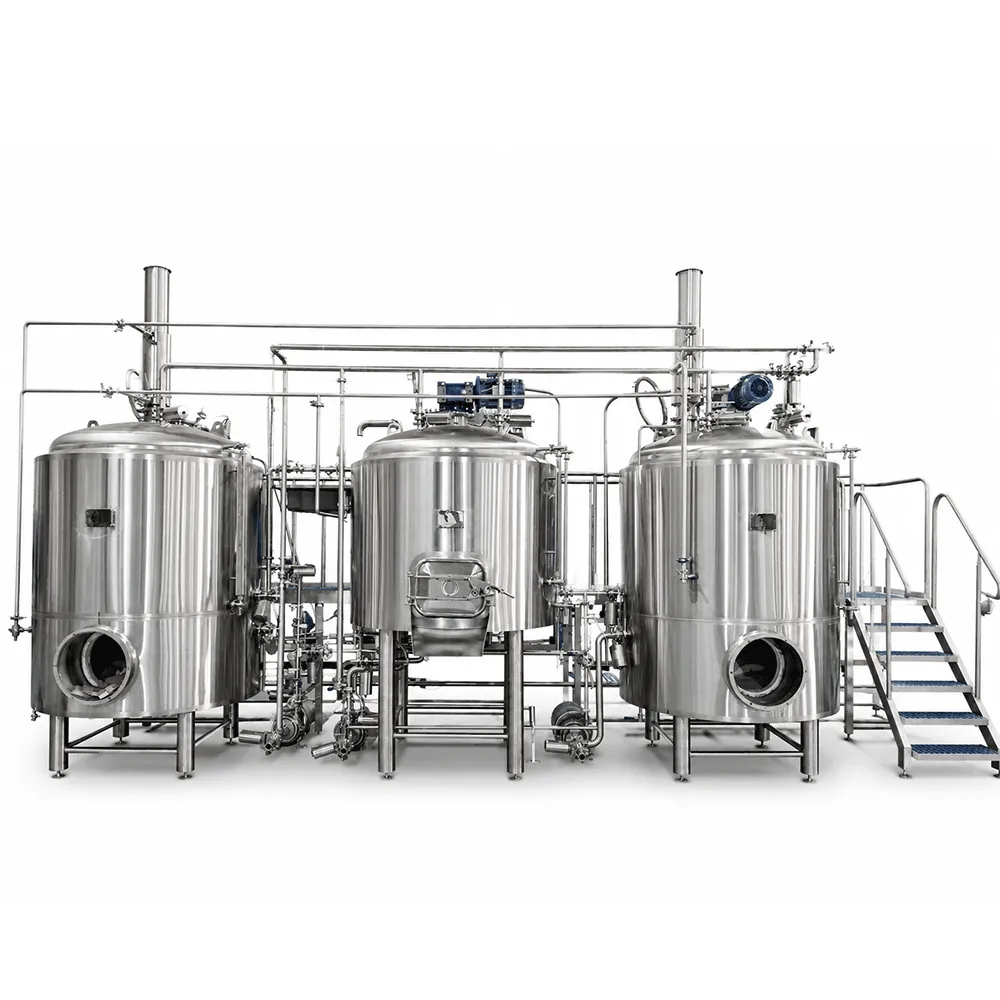
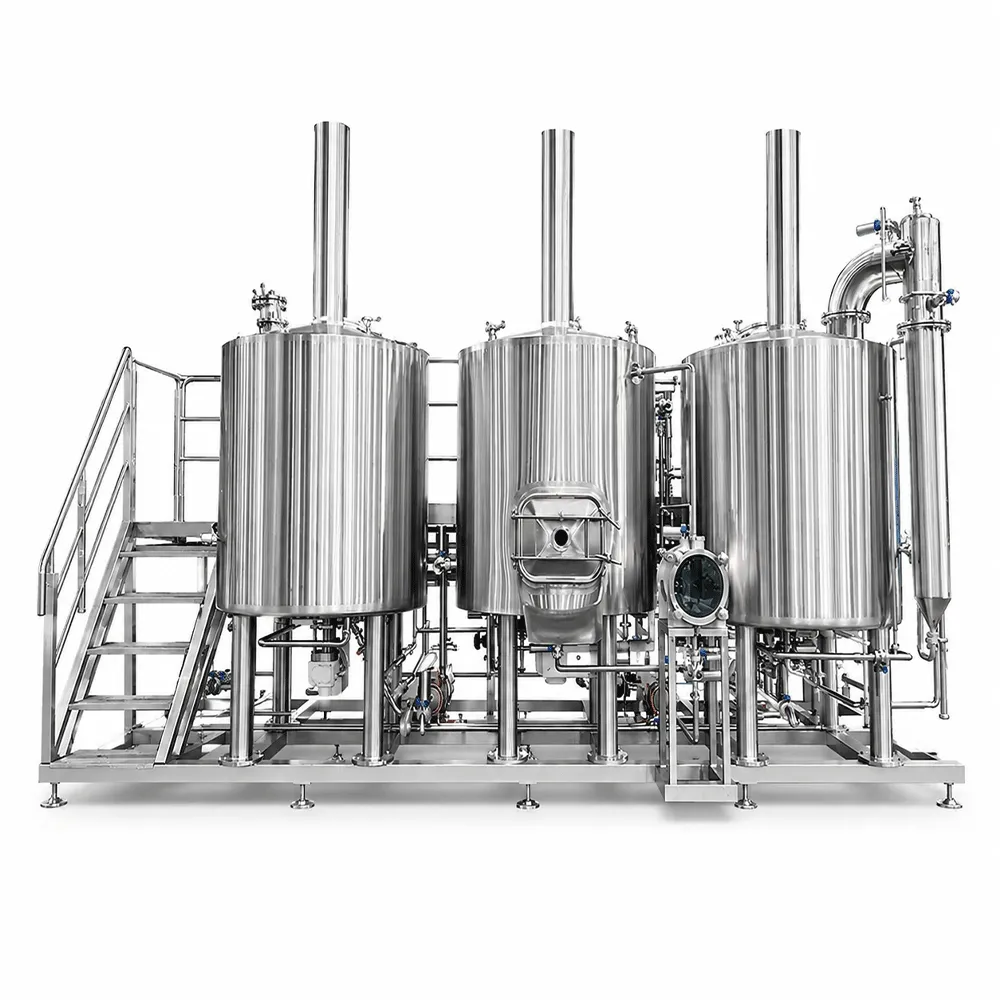
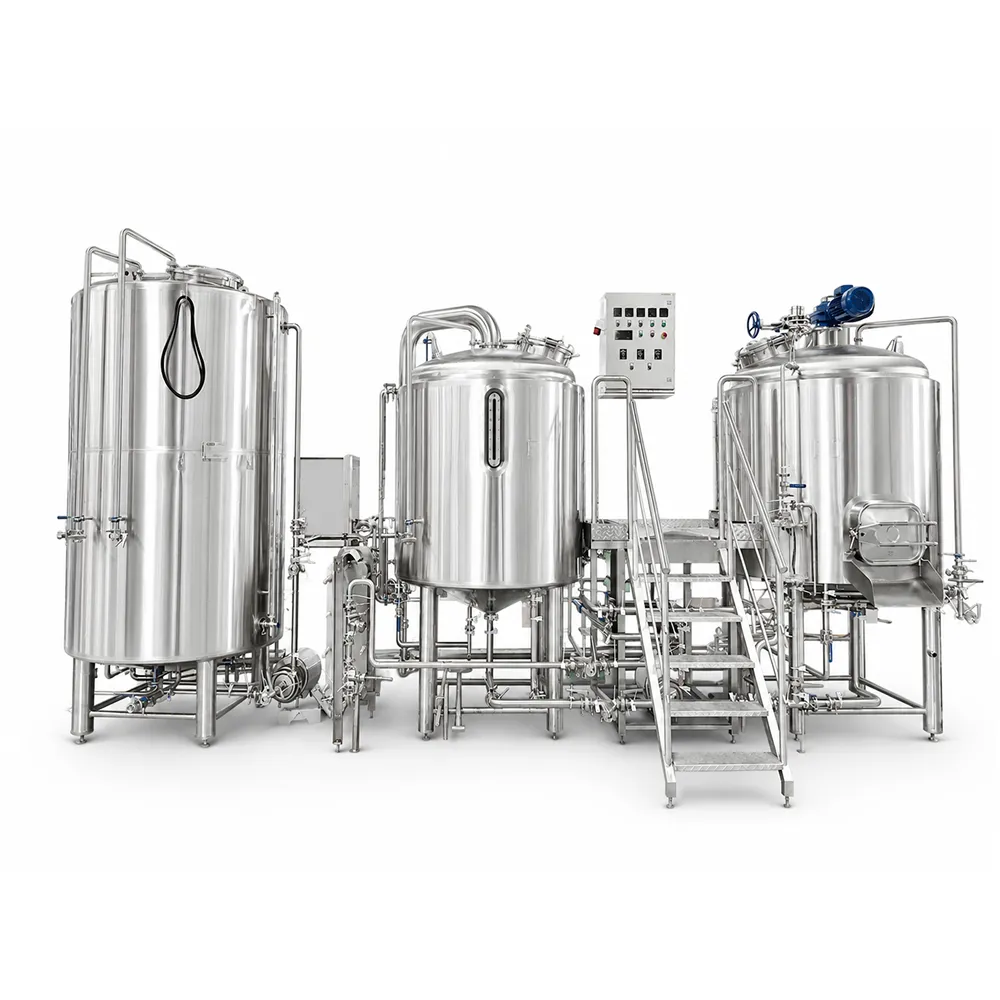
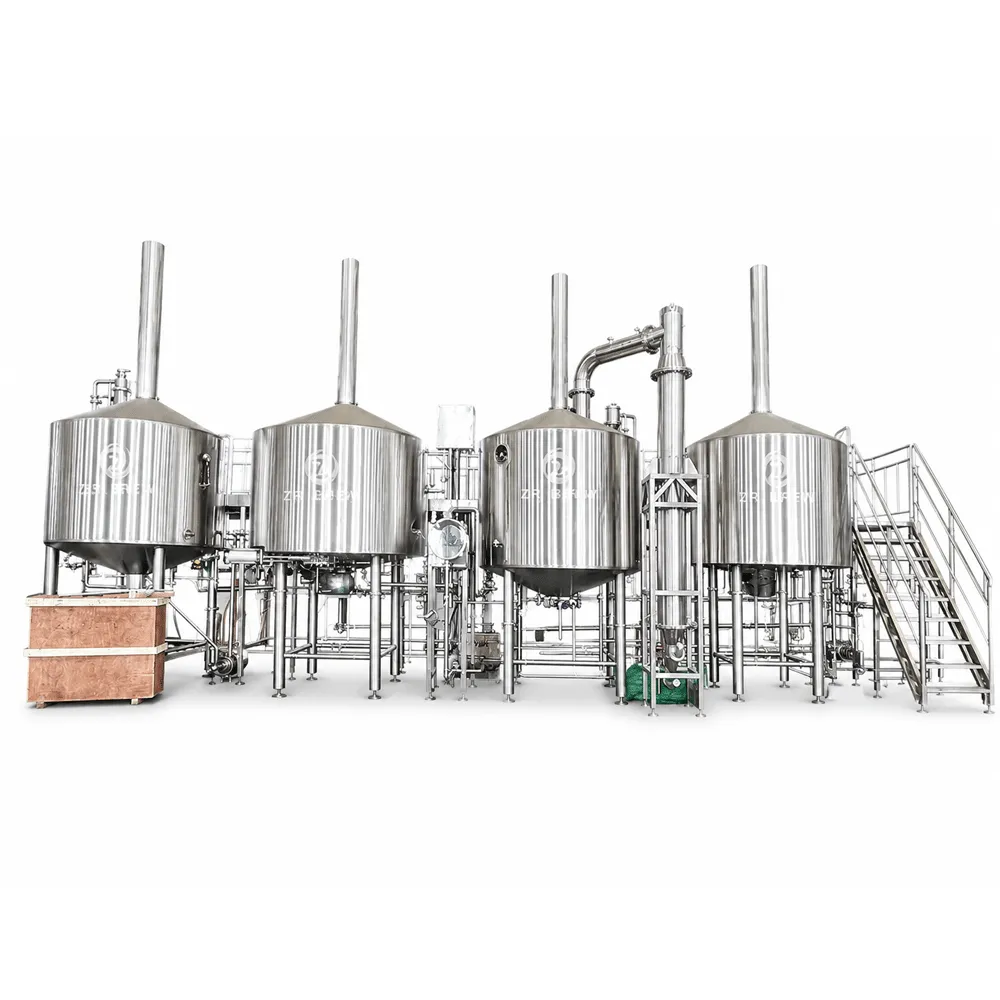
Separating the mashing, lautering, boiling, and whirlpool stages across four dedicated vessels eliminates process overlap and idle time, allowing continuous staggered batch scheduling. At 2,000L per batch, a well-planned 6-batch day delivers up to 12,000L of wort output — a throughput level that supports serious commercial brewing operations without requiring a larger facility footprint.
Siemens PLC Full Automation — Recipe Storage and One-Key Brewing
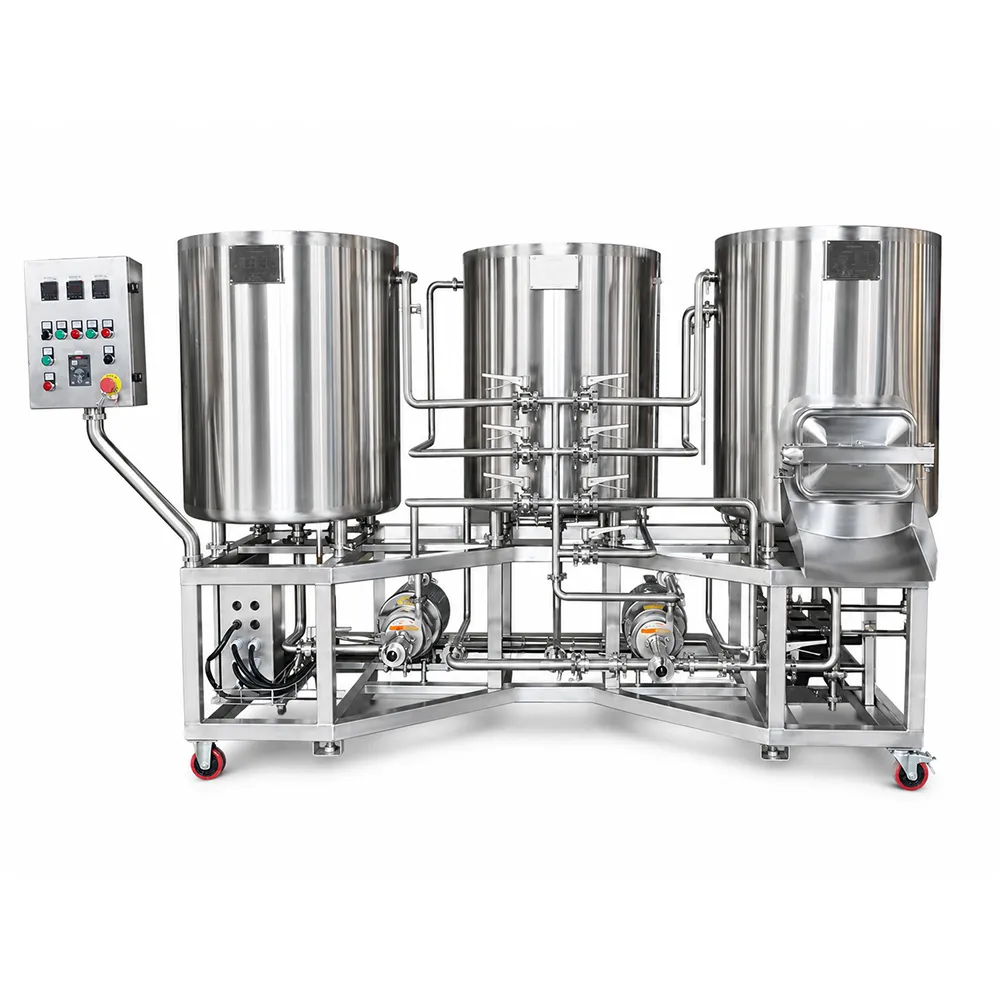
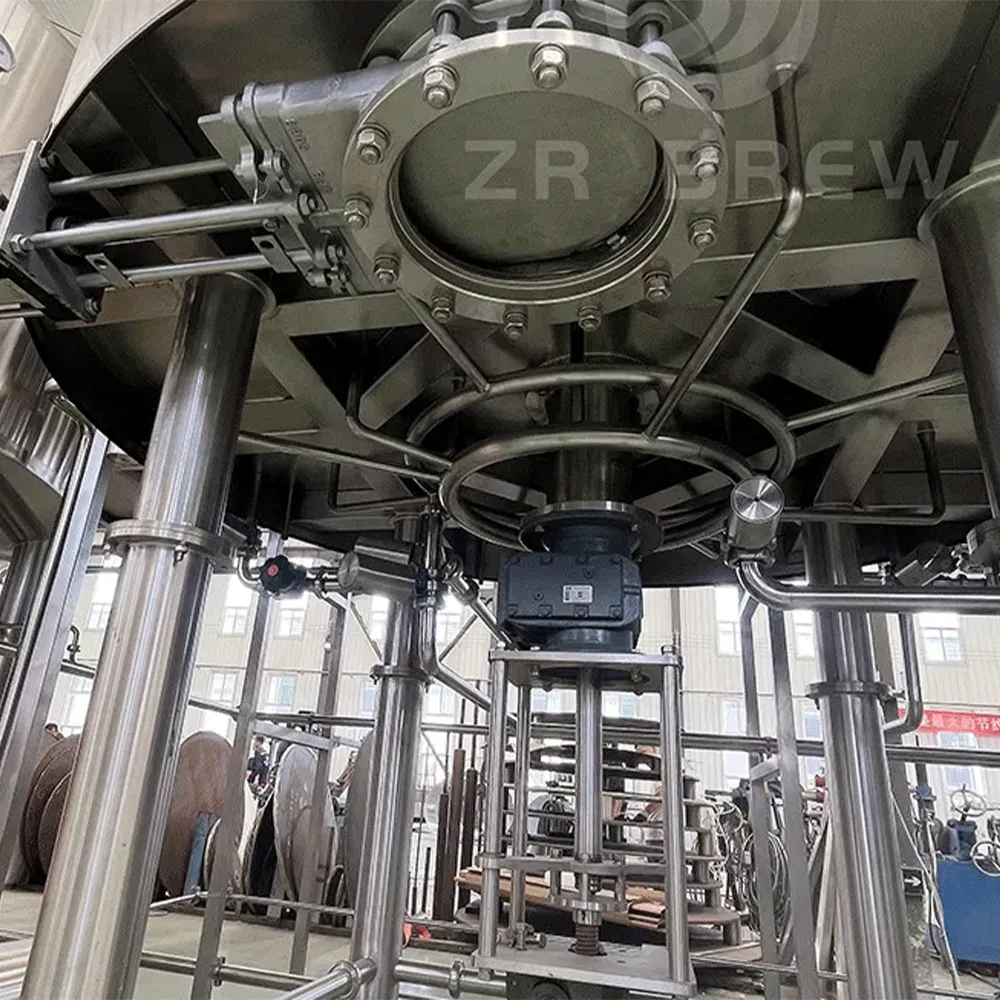
The standard Siemens PLC fully automatic control system provides real-time curve display, automatic liquid level metering, precise brewing water measurement, multi-recipe storage, and one-key brew cycle execution. This level of automation reduces dependence on skilled manual labor, ensures batch-to-batch consistency, and allows production records to be stored and audited for quality control purposes.
Steam Heating with Energy Recovery Design
Steam heating is specified as standard for the ZR-2000 to deliver the rapid, uniform heat transfer required for reliable high-volume production. The specially designed steam condensing unit integrates both steam condensing and hot water recovery functions, feeding recovered thermal energy back into the brewing water circuit. This reduces per-batch energy consumption and lowers long-term operating costs at commercial production scale.
Industrial-Grade Wort Collection and Filtration System
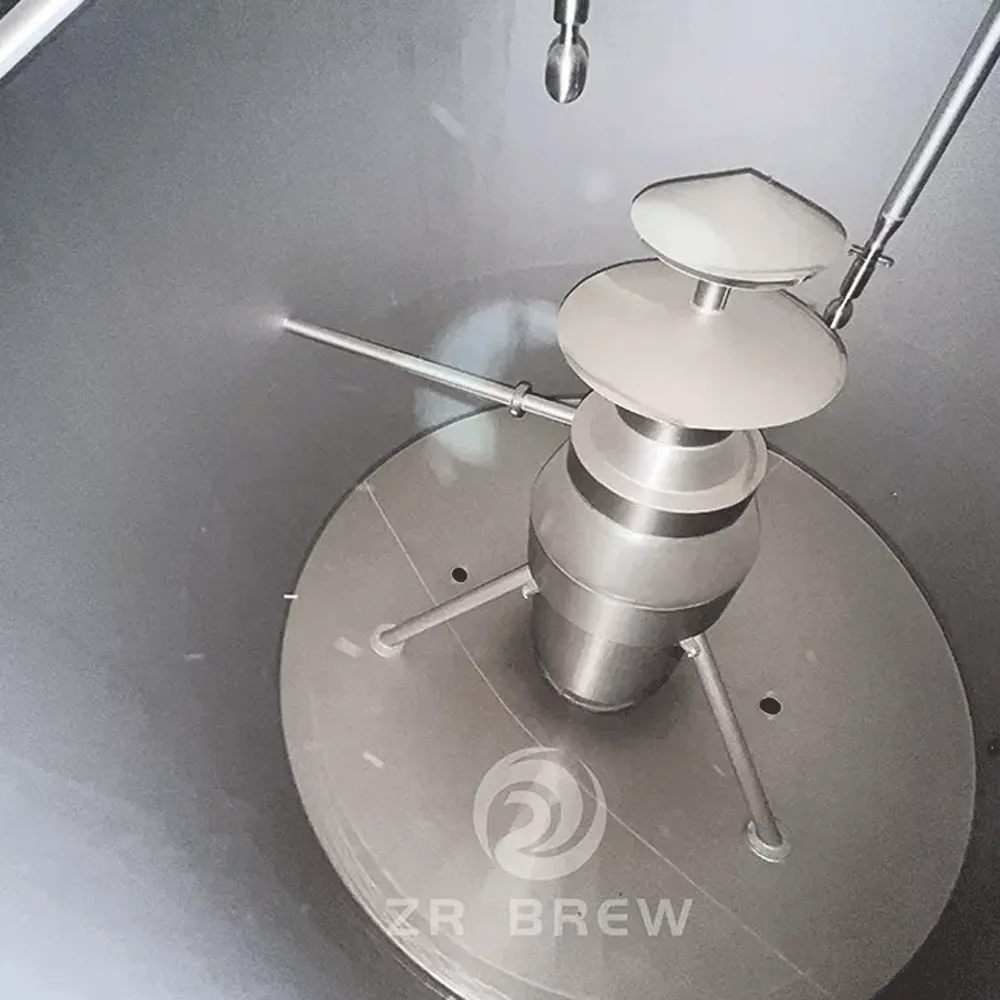
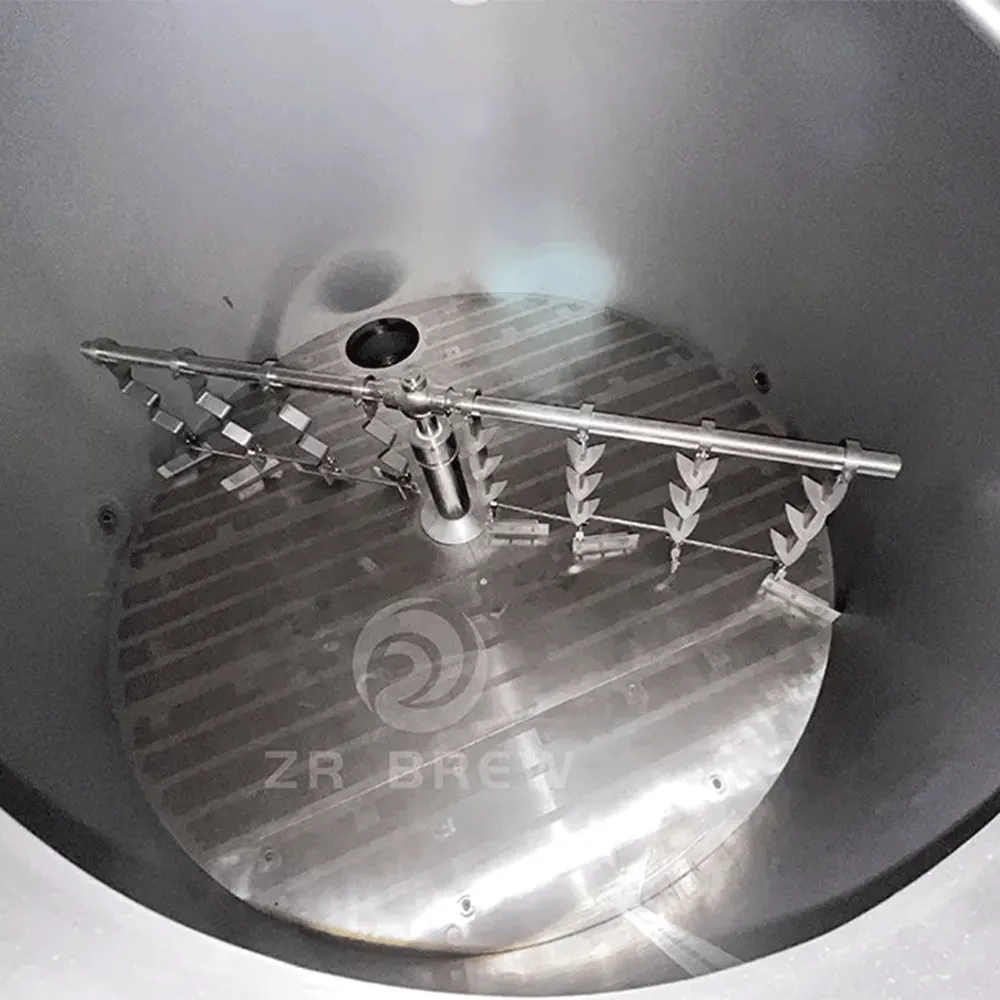
The lauter tun uses up to 10mm thick flat-bottom, stainless steel square tube support for structural integrity under full grain load. Multiple branch pipes across the false bottom distribute suction evenly across the grain bed, improving wort clarity and reducing lauter run time. The integrated backwash loop pipe function clears grain bed compaction without manual intervention, keeping filtration performance consistent across every batch.
Steam Jacket Engineering — Water Hammer Prevention and Uniform Heating
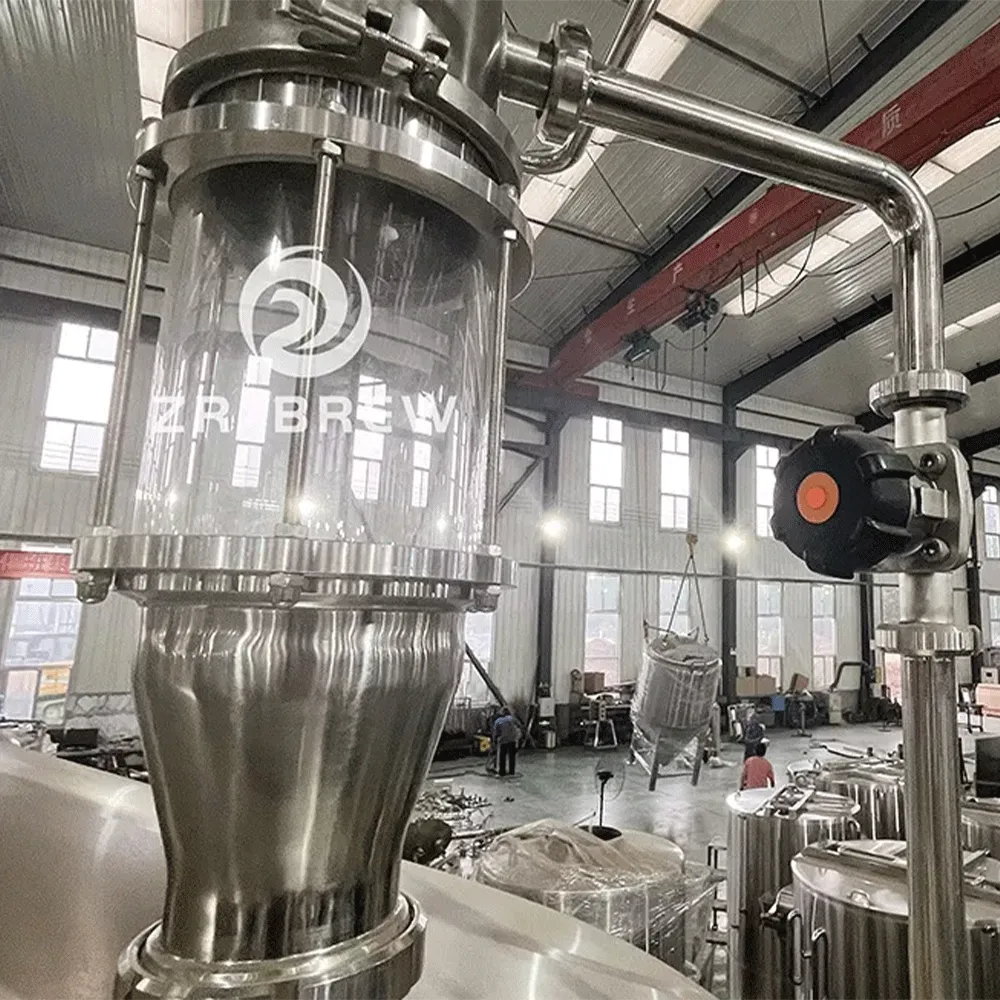
The steam jacket on the kettle is engineered specifically to improve steam utilization efficiency and eliminate the water hammer effect that can damage piping and valves in poorly designed high-volume brewing systems. Combined with an independent kettle heater, the system maintains stable boiling performance even at facilities operating at higher altitudes where standard atmospheric pressure affects open boiling.
Scalable System Architecture — Future Expansion Ready
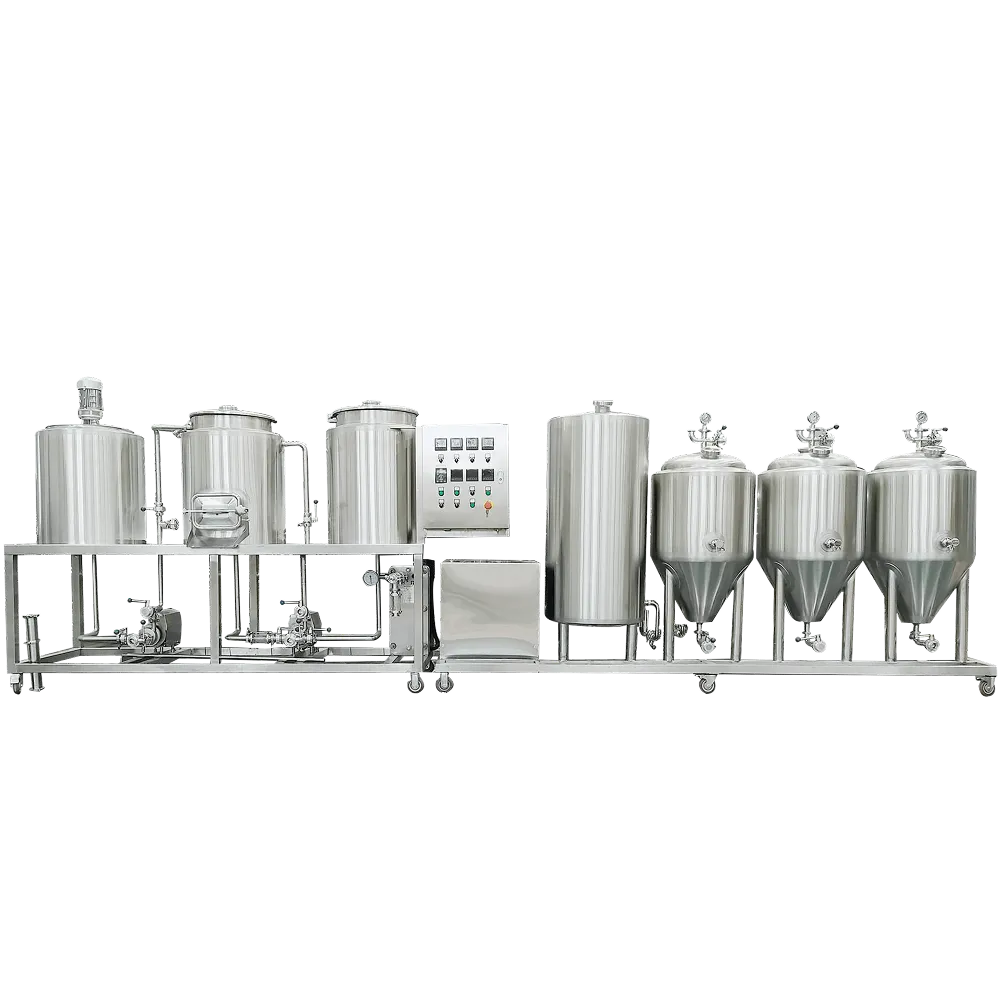
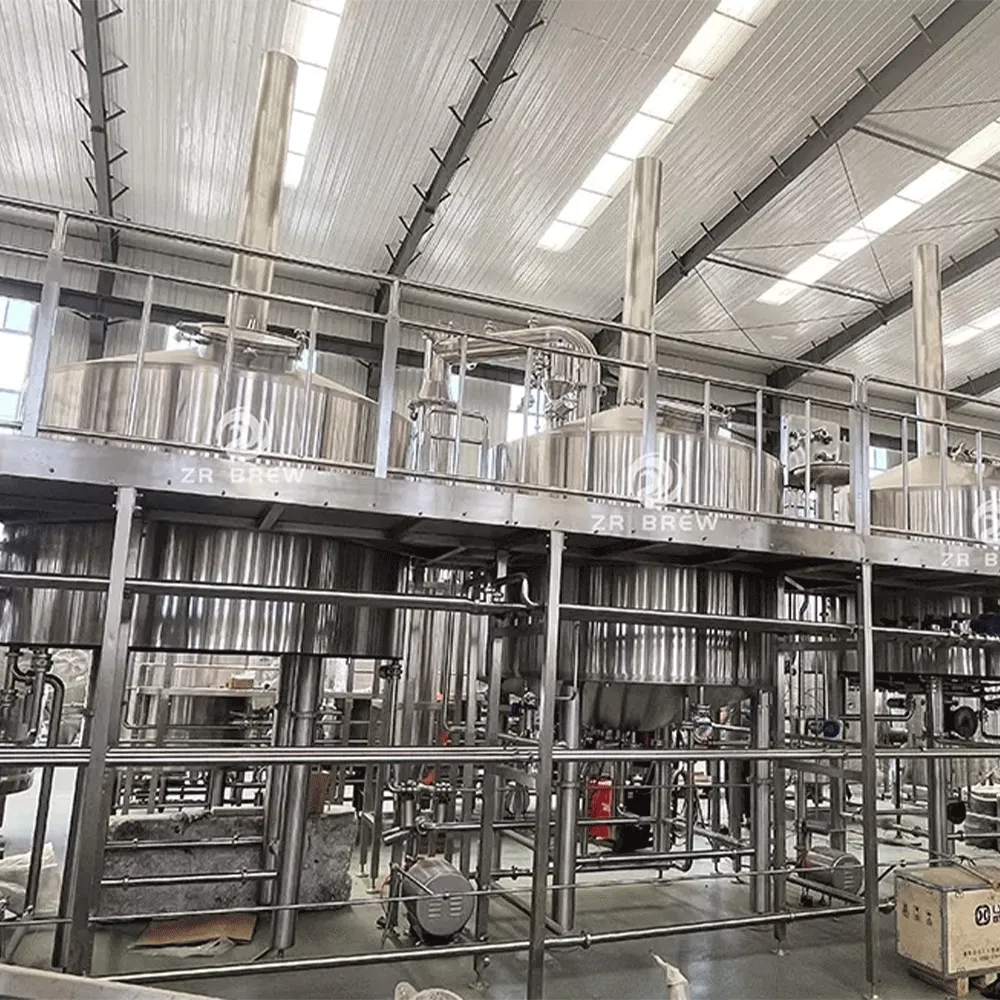
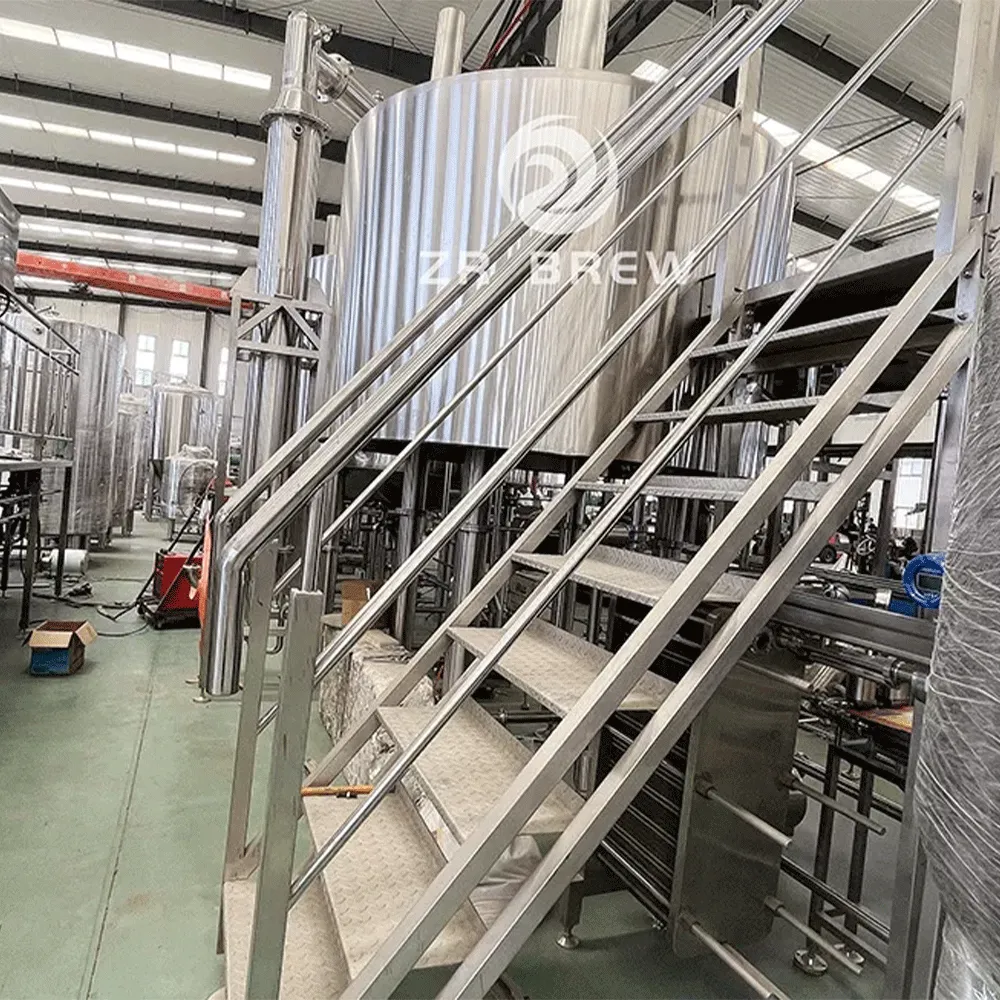
The pipeline and platform structure is pre-designed to accommodate future capacity expansion and additional optional modules including water treatment, yeast recovery, filtration, pasteurization, and packaging. Buyers investing in the ZR-2000 as an initial commercial system can extend its capability without replacing core brewhouse hardware, protecting the original capital investment as production demands grow.