Beer Fermentation Tank Design and Dimensions
ZR Brew Technical Team
Brewing, Fermentation and Beverage Equipment Engineering Team
Updated: September 15, 2026
Beer fermentation tank design links usable volume to geometry, cooling, pressure control, and cellar work. The right dimensions leave fermentation headspace, provide a drainable cone, and fit the brewery’s access, glycol, cleaning, and transfer plan.
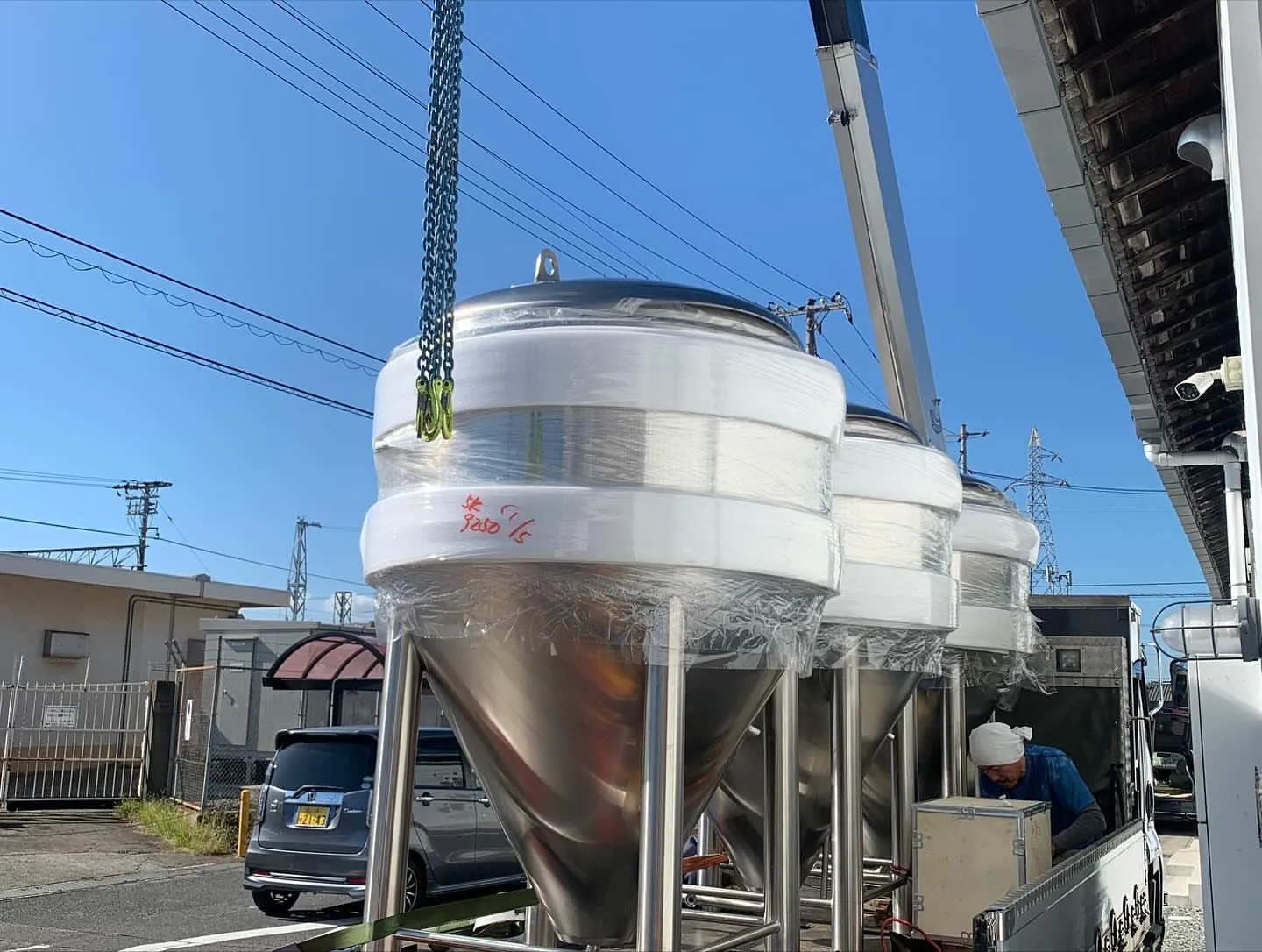
Start with working volume, not the outside height
A fermenter needs a stated nominal or total volume and a separate working volume. The difference provides headspace for krausen, foam, and safe pressure management. Ask for a dimensioned drawing that labels straight-side height, cone height, overall height, diameter, manway clearance, and service connections. A tank that fits by diameter but blocks a manway or CIP route is not a workable fit.
Which dimensions change fermentation performance?
| Design dimension |
Why it matters |
What to verify on the drawing |
| Working volume |
Defines the batch size after headspace is reserved. |
Working, nominal, and total volume shown separately. |
| Diameter and straight-side height |
Change footprint, hydrostatic depth, and installation clearance. |
External diameter, shell length, floor loading, and aisle space. |
| Cone angle and cone height |
Support yeast collection and full drainage. |
Cone angle, outlet elevation, valve access, and drain slope. |
| Cooling-jacket zones |
Determine heat-transfer coverage and control zones. |
Zone locations, glycol connections, flow direction, and insulation. |
| Pressure rating |
Sets the operating boundary for carbonation and transfers. |
Working pressure, relief setting, test requirement, and instrument range. |
ZR Brew’s published fermentation range is approximately 100L to 5000L, with BBL configurations also available. The product family commonly uses SUS304, glycol jackets, insulated vertical vessels, configurable manways, and a 60-degree conical bottom; the exact drawing remains the controlling document for an order.
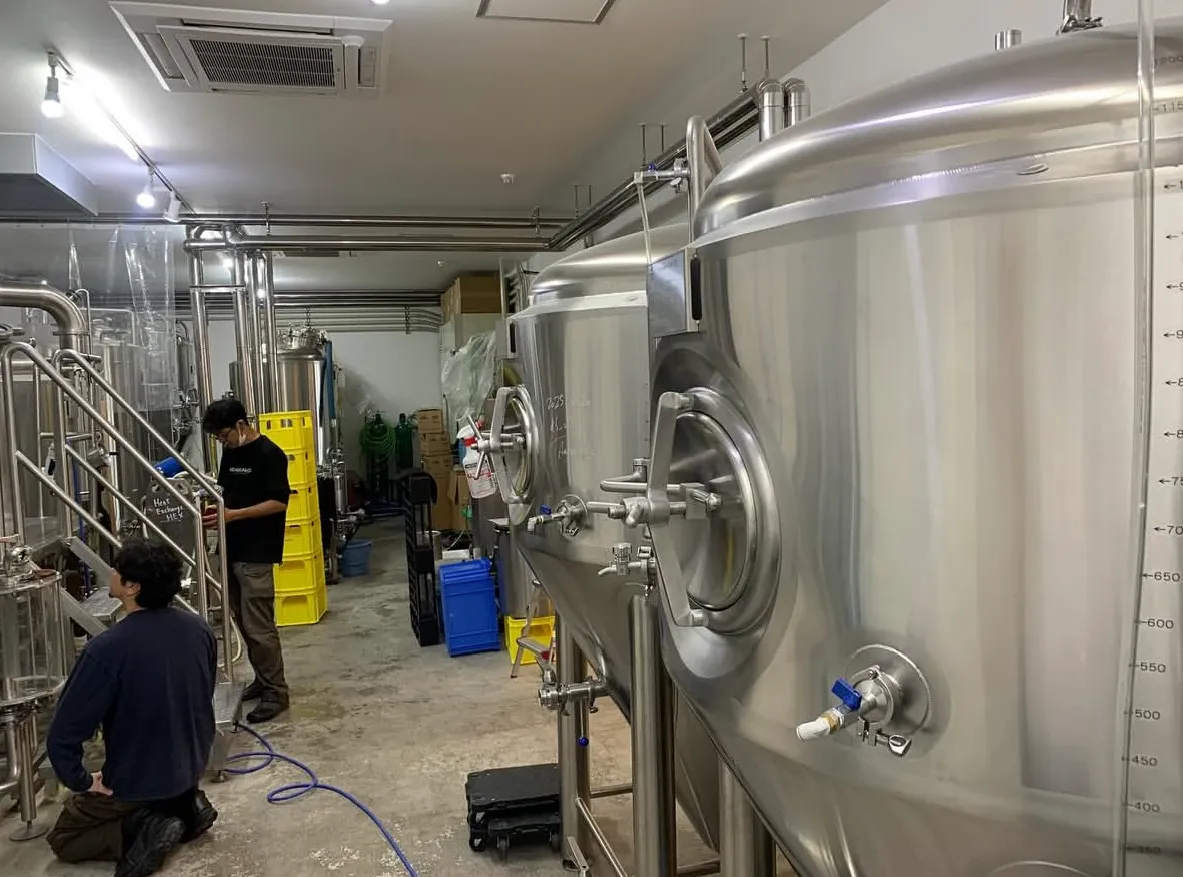
A published 3000L configuration is not a universal dimension
One published 3000L model lists approximately 3750L total volume, a 100 mm insulation layer, 0.2 MPa working pressure, and SUS304 construction. Those values describe that specific configuration; they should not be copied to every tank. Confirm the selected model’s total and working volume, jacket coverage, insulation, pressure class, ports, and finish before fabrication.
How the Japan expansion illustrates capacity planning
In the verified Kurashiki Brewing Company project in Japan, ZR Brew supplied three 1000L stainless steel fermentation tanks to add fermentation capacity and make batch scheduling more flexible. The useful lesson is not a universal layout dimension. It is to size tank quantity around the brew schedule, fermentation residence time, cleaning turnaround, and the space available for safe access.
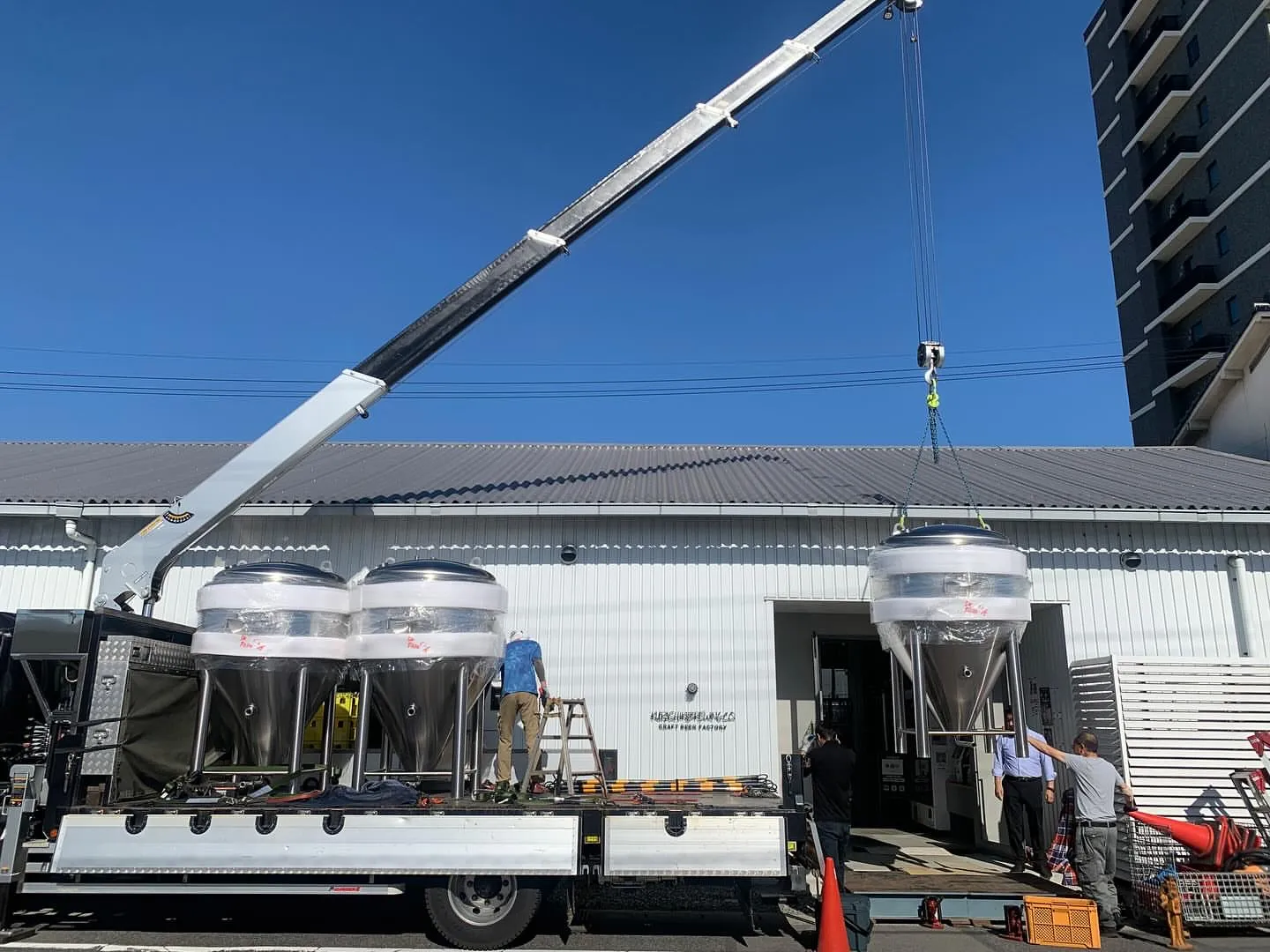
Check the cellar before approving a drawing
- Map the tank footprint, door swing, manway clearance, lifting route, and floor loading.
- Confirm glycol supply, return piping, insulation, temperature probes, pressure relief, and control-panel locations.
- Trace wort-in, beer-out, yeast-out, CIP, drain, sample, and carbonation connections without crossing service aisles.
- Review cleaning coverage and verify that the spray device, valves, gaskets, and low points can be inspected and drained.
- Compare the tank schedule with brew days, fermentation time, conditioning time, and planned expansion.
Common design mistakes
Using total volume as batch volume leaves too little headspace. Selecting a cone angle without checking yeast-out access creates a maintenance problem. Treating a generic drawing as a pressure-vessel approval can also be unsafe: pressure rating, relief devices, testing, and destination-market requirements must be confirmed for the specific vessel. European pressure-equipment requirements are explained by the European Commission’s Pressure Equipment Directive reference; it does not certify any particular ZR Brew tank.
Related equipment planning
For a broader cellar decision, compare a beer storage tank and fermenter before fixing the vessel list. When the dimensions, utilities, and production sequence are clear, contact ZR Brew for a project-specific tank drawing and quotation.
FAQ
What is the most important fermentation tank dimension?
Working volume is the starting point, followed by diameter, height, headspace, cone geometry, and service clearance. No single dimension can replace a complete drawing.
Is a 60-degree cone required?
ZR Brew commonly uses a 60-degree conical bottom for fermentation tanks, but the appropriate geometry depends on the selected vessel, yeast-handling method, outlet arrangement, and cleaning plan.
Can a 3000L tank hold 3000L of beer?
Not necessarily. A published 3000L configuration lists approximately 3750L total volume, which indicates that total volume and working volume are different values. Confirm both on the order drawing.
Author: ZR Brew Technical Team, Brewing, Fermentation and Beverage Equipment Engineering Team. The team supports brewery and beverage projects from 50L pilot systems to 150HL commercial breweries and reports more than 13 years’ average experience among key engineers and project leaders.


 Gepubliceerd