Starting a brewery is exciting, but choosing the wrong equipment can create production delays, inconsistent beer quality, and unnecessary costs. Many new brewery owners struggle with selecting suitable brewing equipment, planning the right layout, and building a system that supports future growth. A reliable brewery equipment manufacturer can help turn your brewing idea into a stable production solution.
Choosing the right brewery equipment depends on your production capacity, beer styles, available space, automation needs, and future expansion plans. A complete brewery setup usually includes a brewhouse system, fermentation tanks, bright tanks, cooling systems, control systems, and packaging equipment designed for your specific brewing goals.

What Brewing Equipment Does a Brewery Need?
A successful brewery is built around a complete production system rather than a single machine. Every stage of the brewing process works together, from raw materials preparation to finished beer packaging.
A typical brewery setup includes the following equipment:
| Equipamento |
Main Function |
| Brewhouse system |
Produces wort from malt and water |
| Mash tun |
Extracts sugars during the mash process |
| Brew kettle |
Boils wort and develops beer flavor |
| Fermenter |
Converts wort into beer through yeast fermentation |
| Fermentation tank |
Provides controlled fermentation conditions |
| Bright tank |
Conditions and stores finished beer |
| Cooling system |
Controls fermentation temperature |
| CIP system |
Supports cleaning and sanitation |
| Packaging equipment |
Prepares beer for market |
For craft breweries, the equipment needs to provide flexibility for producing different beer styles. For commercial breweries, the focus is usually on production efficiency, automation, and consistent quality.
ZR Brew provides customized stainless steel brewing equipment, fermentation tanks, brewhouse systems, and turnkey brewery solutions for customers worldwide, helping breweries create production systems based on their actual business needs.
How to Choose the Right Brewing Equipment for Your Brewery?
Choosing the right brewing equipment requires understanding your production goals first. The best equipment is not always the biggest or most expensive option. It is the system that matches your brewery size, brewing style, and long-term plan.
Before purchasing equipment, brewery owners should consider:
- Expected production volume
- Number of batches per day
- Types of beer you want to produce
- Available factory space
- Labor requirements
- Energy supply
- Cleaning method
- Future expansion possibilities
For example:
Brewery TypeRecommended Equipment Focus
Home brewerySmall brewing equipment for testing recipesBrewpubCompact brewing system with flexible productionCraft breweryStainless steel brewing equipment with multiple fermentersMicrobreweryExpandable brewery systemCommercial breweryAutomated commercial brewing equipment
A small brewing project may only require a basic brewhouse and fermentation tanks. However, a growing brewery usually needs additional fermenters, larger beer tanks, and better process control.
Planning ahead helps avoid replacing equipment too early and allows your brewery to grow smoothly.
What Is Included in a Complete Brewery System?
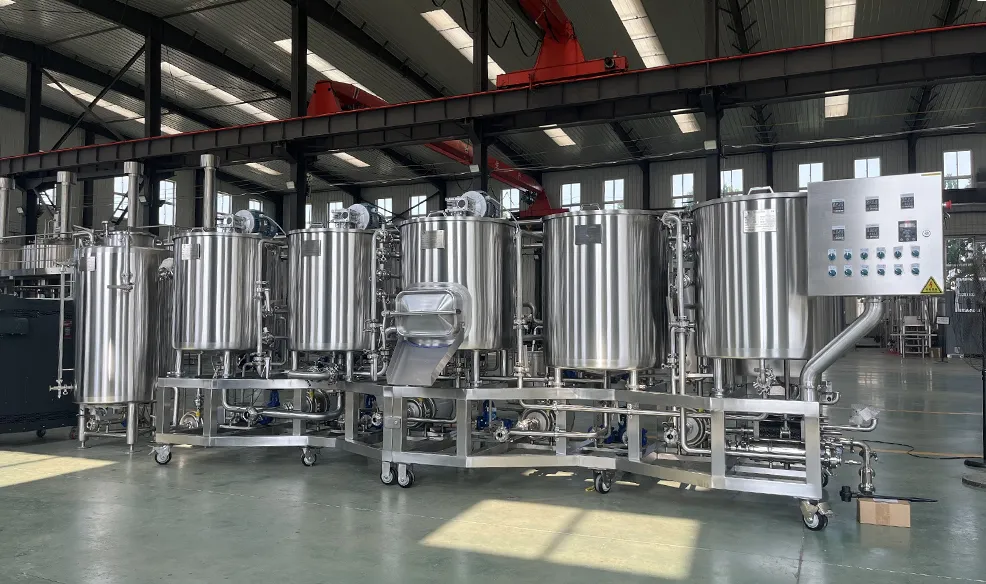
A complete brewery system connects every stage of beer production into one efficient workflow.
The brewing process usually starts with milling grain and preparing the mash. During the mash stage, malt combines with brewing water to extract fermentable sugars. The liquid created during this process is called wort.
The wort then moves to the kettle, where boiling develops flavor and prepares it for fermentation.
After cooling, the wort enters a fermenter where yeast begins converting sugars into alcohol and carbon dioxide.
A complete brewery system usually includes:
Brewhouse Equipment
The brewhouse is the core of beer production.
Common vessels include:
- Mash tun
- Lauter tun
- Brew kettle
- Whirlpool tank
A well-designed brewhouse allows brewers to control:
- Mash temperature
- Wort quality
- Brewing efficiency
- Batch consistency
ZR Brew supplies customized brewhouse systems for different production levels, from small breweries to commercial brewing facilities.
Fermentation Equipment
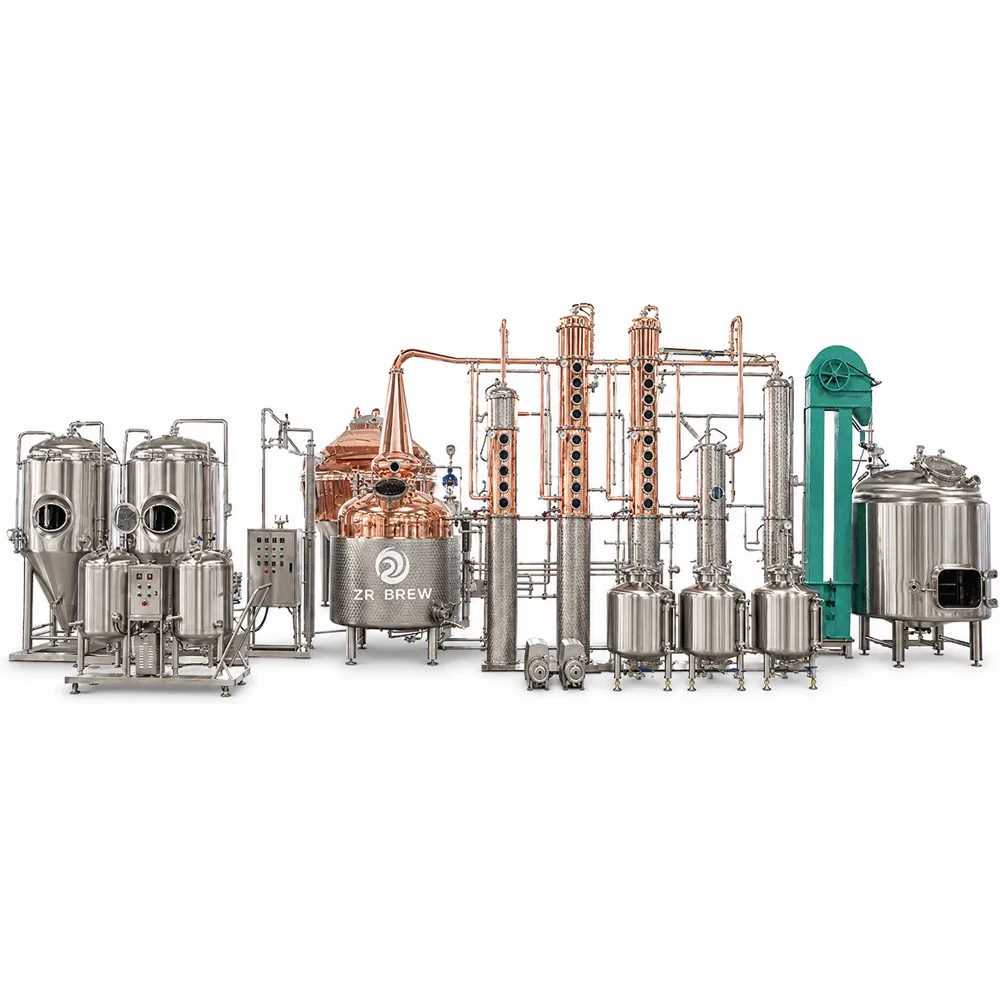
Fermentation is one of the most important stages in beer production.
A professional fermenter provides a controlled environment where yeast can develop the desired beer characteristics.
Modern fermentation tanks often include:
- Stainless steel construction
- Cooling jackets
- Temperature sensors
- Pressure control options
- CIP cleaning systems
A high-quality fermentation tank helps breweries maintain stable fermentation conditions and produce consistent batches.
Bright Tanks and Beer Storage
After fermentation, many breweries use bright tanks for conditioning and carbonation.
Bright tanks help with:
- Beer clarification
- Carbonation control
- Storage before packaging
- Improved production scheduling
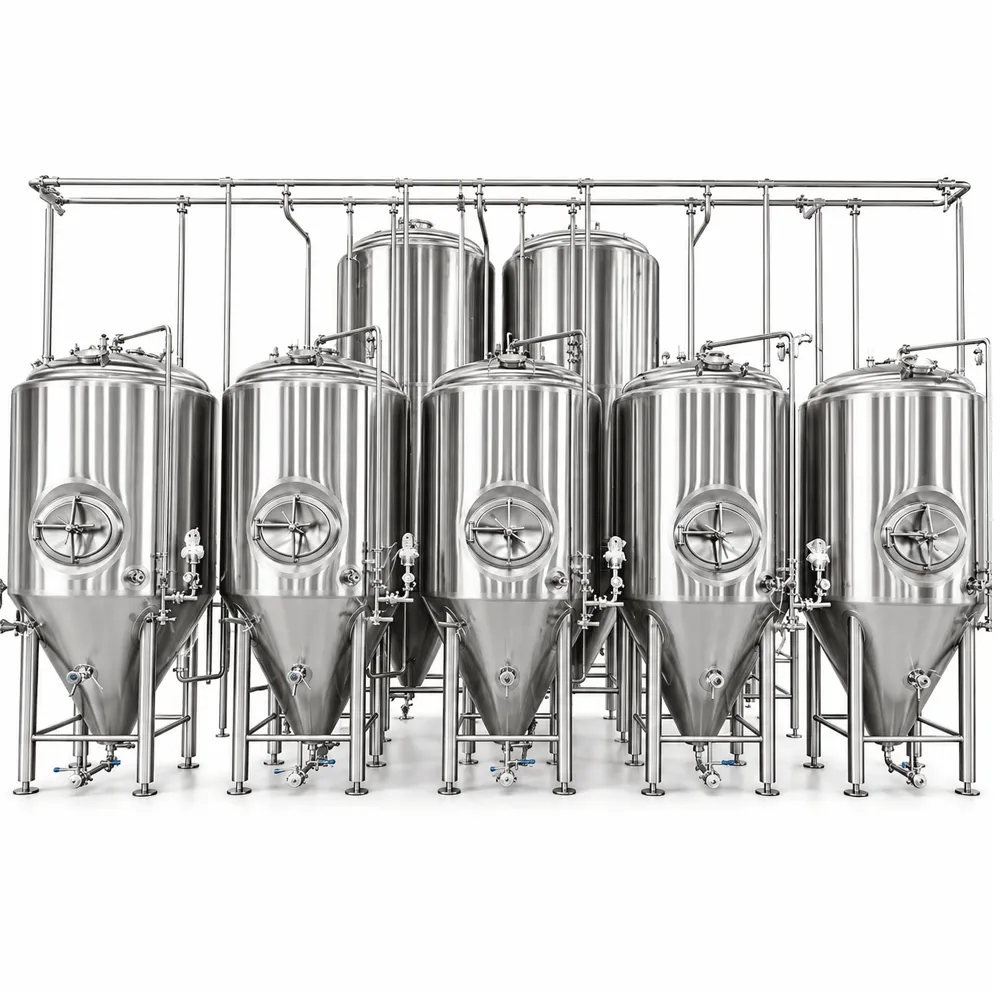
Using separate fermentation tanks and bright tanks allows breweries to improve workflow efficiency and maintain continuous production.
Why Is Stainless Steel Brewing Equipment Popular?
Stainless steel has become the preferred material for professional brewery equipment because it offers durability, hygiene, and long-term value.
The main advantages include:
Easy Cleaning and Sanitation
Breweries must maintain strict hygiene standards. Stainless steel surfaces are smooth, corrosion-resistant, and easier to clean compared with many alternative materials.
This supports:
- Cleaner production
- Lower contamination risks
- More stable beer quality
- Long Service Life
A brewery is a long-term investment. Stainless steel equipment is designed to handle:
- Daily production
- Temperature changes
- Cleaning chemicals
- Continuous operation
- Flexible Customization
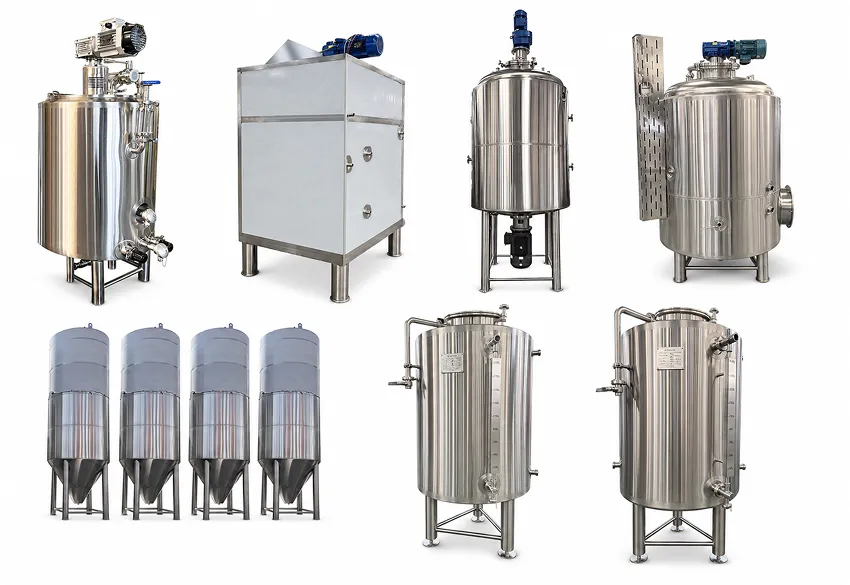
Professional manufacturers can customize equipment according to brewery requirements.
Customization options may include:
- Tank capacity
- Vessel configuration
- Heating method
- Cooling system
- Control system
- Layout design
ZR Brew works with global breweries to provide customized brewing solutions instead of standard equipment packages only.
How Does Brewery Design Affect Equipment Selection?
A successful brewery setup requires more than selecting machines. Brewery design directly affects production efficiency.
A practical brewery layout should consider:
- Raw material storage
- Grain handling
- Brewing area
- Fermentation area
- Beer storage
- Packaging area
- Cleaning space
A well-designed workflow reduces unnecessary movement and improves daily operations.
For example:
Malt Storage → Milling → Mash → Wort Production → Fermentation → Conditioning → Packaging
This logical flow helps brewery owners save time and create a safer working environment.
ZR Brew provides brewery design support and turnkey brewery solutions to help customers build efficient production facilities.
What Brewing Equipment Do Craft Breweries Need?
Craft breweries usually focus on creativity and product variety. Their equipment needs to support different recipes, seasonal beers, and small production batches.
Common craft beer equipment includes:
- Brewhouse system
- Fermentation tanks
- Bright tanks
- Cooling systems
- Keg filling equipment
- Control systems
Unlike large commercial breweries, craft breweries often need more flexibility.
They may produce:
- IPA
- Lager
- Ale
- Stout
- Specialty craft beer
A flexible brewing system allows brewers to adjust production according to customer demand.
ZR Brew provides craft beer equipment designed for breweries that need reliable performance while maintaining the ability to experiment with different beer styles.
How Does Commercial Brewing Equipment Improve Production?
Commercial breweries require equipment that supports high-volume production while maintaining consistent quality.
Commercial brewing equipment improves efficiency through:
Automation Control
Modern systems can monitor:
- Temperature
- Brewing stages
- Pump operation
- Fermentation conditions
Automation reduces manual errors and improves repeatability.
Larger Production Capacity
Commercial breweries often use:
- Larger brewhouse systems
- Multiple fermentation tanks
- Large beer tanks
- Automated packaging systems
This allows breweries to produce more batches while maintaining quality.
Better Production Planning
Professional brewery equipment helps companies:
- Reduce downtime
- Improve workflow
- Manage inventory
- Expand production capacity
For companies entering commercial brewing, selecting scalable equipment is essential for long-term success.
Why Choose a Turnkey Brewery Solution?
Building a brewery involves many decisions, from equipment selection to layout planning.
A turnkey brewery solution simplifies the process by providing complete support from one supplier.
A turnkey solution may include:
- Brewery planning
- Equipment manufacturing
- Brewhouse installation
- Fermentation system
- Cooling system
- CIP system
- Packaging solutions
- Technical support
This approach reduces communication problems and ensures that different equipment sections work together properly.
ZR Brew provides turnkey brewery solutions for:
- Craft breweries
- Brewpubs
- Microbreweries
- Commercial breweries
- Beverage startups
- Kombucha producers
- Wineries
- Cideries
- Distilleries
ZR Brew: Customized Brewery Equipment Manufacturer
Every brewery has different goals. Some customers need a compact system for a new brewery, while others need large commercial brewing equipment for expansion.
ZR Brew focuses on customized stainless steel brewing solutions, including:
- Brewery systems
- Brewhouse equipment
- Fermentation tanks
- Bright tanks
- Beverage processing equipment
Our team helps customers select equipment based on:
- Production capacity
- Brewing process
- Facility layout
- Beer styles
- Future development plans
A successful brewery requires more than equipment. It requires a complete solution that supports stable production and business growth.
Frequently Asked Questions About Brewery Equipment
What equipment is needed to start a brewery?
A basic brewery setup usually requires a brewhouse system, fermentation tanks, cooling equipment, cleaning systems, and packaging solutions. The exact configuration depends on production capacity and business goals.
How do I choose the right brewing equipment?
To choose the right brewing equipment, consider production volume, beer style, available space, automation requirements, and future expansion plans. A professional brewery equipment supplier can help design a suitable system.
Is stainless steel better for brewery equipment?
Yes. Stainless steel is widely used because it provides durability, corrosion resistance, easy cleaning, and reliable performance for long-term brewing operations.
What is the difference between craft brewery equipment and commercial brewing equipment?
Craft brewery equipment focuses on flexibility and smaller production batches, while commercial brewing equipment is designed for larger-scale production, automation, and efficiency.
Can brewery equipment be customized?
Yes. Professional manufacturers can customize brewing systems, fermentation tanks, layouts, and control systems according to customer requirements.
Key Takeaways
Choosing the right brewery equipment is essential for stable beer production.
A complete brewery setup should match production goals, beer styles, and future expansion plans.
Stainless steel brewing equipment provides durability, sanitation, and long-term value.
Fermentation tanks and brewhouse systems are the foundation of professional beer production.
Craft breweries need flexible equipment for different beer styles and batch sizes.
Commercial breweries require scalable systems with efficient control and workflow.
A turnkey brewery solution reduces project risks and simplifies installation.
ZR Brew provides customized brewing equipment and complete brewery solutions for global beverage producers.
Planning a new brewery or expanding your existing production? Contact ZR Brew to discuss your brewing project and create a customized brewery solution.


 Publicado