Many brewers start with passion, but the wrong equipment can waste time, space, and money. A small system may look simple, yet poor planning can limit growth. The right small batch brewery equipment helps you brew better, scale faster, and protect product quality.
Small batch brewery equipment is a compact beer brewing equipment setup used to produce smaller commercial batches, often for brewpubs, taprooms, pilot brewing, recipe testing, and microbrewery startups. A complete system usually includes a brewhouse, mash tun, kettle, fermenter, chiller, pump, control system, and cleaning support.
Article Outline
- What Is Small Batch Brewery Equipment?
- Who Needs a Small Batch Brew System?
- How Is Commercial Small Batch Brewing Different from Home Brew?
- What Equipment Is Needed for a Small Brewery?
- How Do Mash, Wort, Fermentation, and Temperature Control Affect Beer Quality?
- Should You Choose All-Grain, BIAB, or an All-in-One Brewing System?
- How Do You Plan Batch Size, Space, and Equipment Costs?
- What Role Do Fermenters, Chillers, Kegs, and Bottles Play?
- When Should You Upgrade from Homebrewing to Microbrewery Equipment?
- How Can ZR Brew Help Design a Small Brewing System?
- Frequently Asked Questions About Small Batch Brewing Equipment
What Is Small Batch Brewery Equipment?
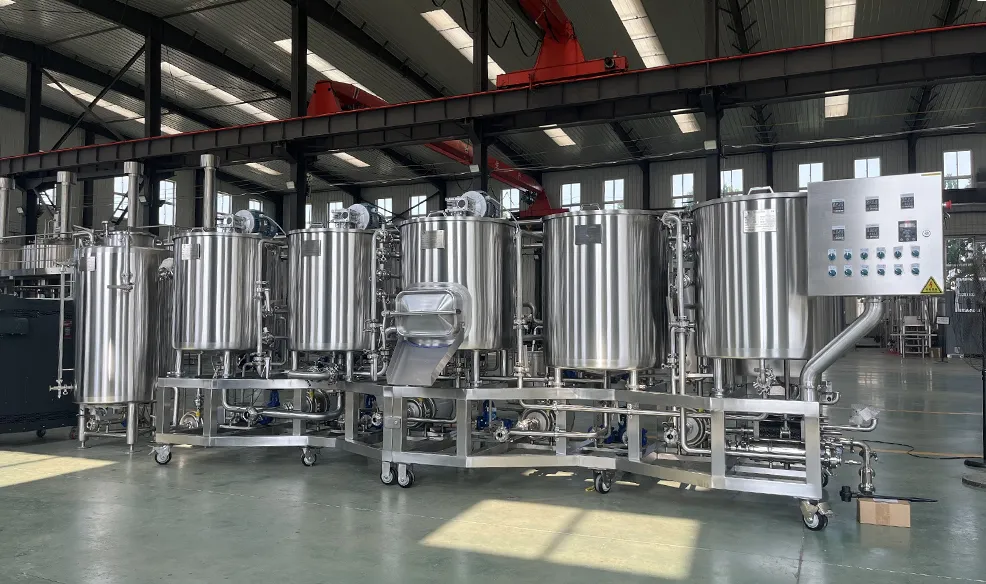
Small batch brewery equipment is a compact brewing system designed for smaller production volumes. It is used by brewpubs, small brewery owners, taprooms, pilot labs, beverage startups, and craft breweries that want flexible production without building a large commercial brewery from day one.
In simple words, this equipment helps a brewer make a smaller batch of beer with better control than basic home brewing equipment. It can support recipe testing, seasonal releases, limited craft beer products, and early-stage commercial production. For many buyers, it is the bridge between homebrewing and craft production.
A small batch system may include a mill, mash tun, lauter tun, brew kettle, whirlpool, wort cooling unit, fermenter, chiller, pump, CIP cleaning unit, and control panel. The layout depends on your batch size, floor space, heating method, and growth plan.
Who Needs a Small Batch Brew System?
A small batch brew system is useful for any business that wants to brew with flexibility. A brewpub may use it to serve fresh beer on site. A taproom may use it to create limited releases. A microbrewery may use it to test beer recipes before moving to a larger brewhouse.
It also works well for project investors and engineering contractors who need a small scale production line before building a larger plant. Some cideries, kombucha producers, wineries, distilleries, and cold brew coffee producers also use similar stainless process equipment when they need controlled fermentation and sanitary production.
Typical users include:
- Start-up breweries testing their first commercial recipes
- Brewpubs and restaurants serving fresh beer directly to customers
- Taprooms developing seasonal or limited beers
- Pilot brewing labs checking new malt, hop, and yeast combinations
- Microbrewery owners planning future expansion
- Training centers teaching the brewing process
- Beverage startups building proof-of-concept production
A small system gives you room to learn. It also gives you room to grow.
How Is Commercial Small Batch Brewing Different from Home Brew?
Home brew equipment is made for people who want to make beer at home. It is often simple, low-cost, and manual. A home brewer may use a 1 gallon or 5 gallon setup, a basic kettle, a plastic bucket, a siphon, a hydrometer, beer bottles, and a small brewing kit.
Commercial small batch brewing is different. It needs food-grade parts, stronger pumps, safer controls, stable temperature control, and vessels that are easy to clean. The goal is not just to finish a first batch. The goal is to repeat the same quality many times.
That is where professional brewing equipment matters. A commercial small batch system helps control heating, mashing, wort transfer, cooling, fermentation, and cleaning. It also supports better quality and consistency, which is essential when customers are paying for every glass.
| Item |
Home Brew Setup |
Small Batch Commercial System |
| Main use |
Hobby brewing |
Business or pilot production |
| Typical size |
1 gallon to 5 gallon |
50L to 1000L or more |
| Control level |
Mostly manual |
Manual, semi-automated, or automated |
| Material |
Basic homebrew materials |
Food-grade stainless steel |
| Cleaning |
Hand cleaning |
CIP or assisted cleaning |
| Growth potential |
Limited |
Designed for upgrade and scaling |
What Equipment Is Needed for a Small Brewery?
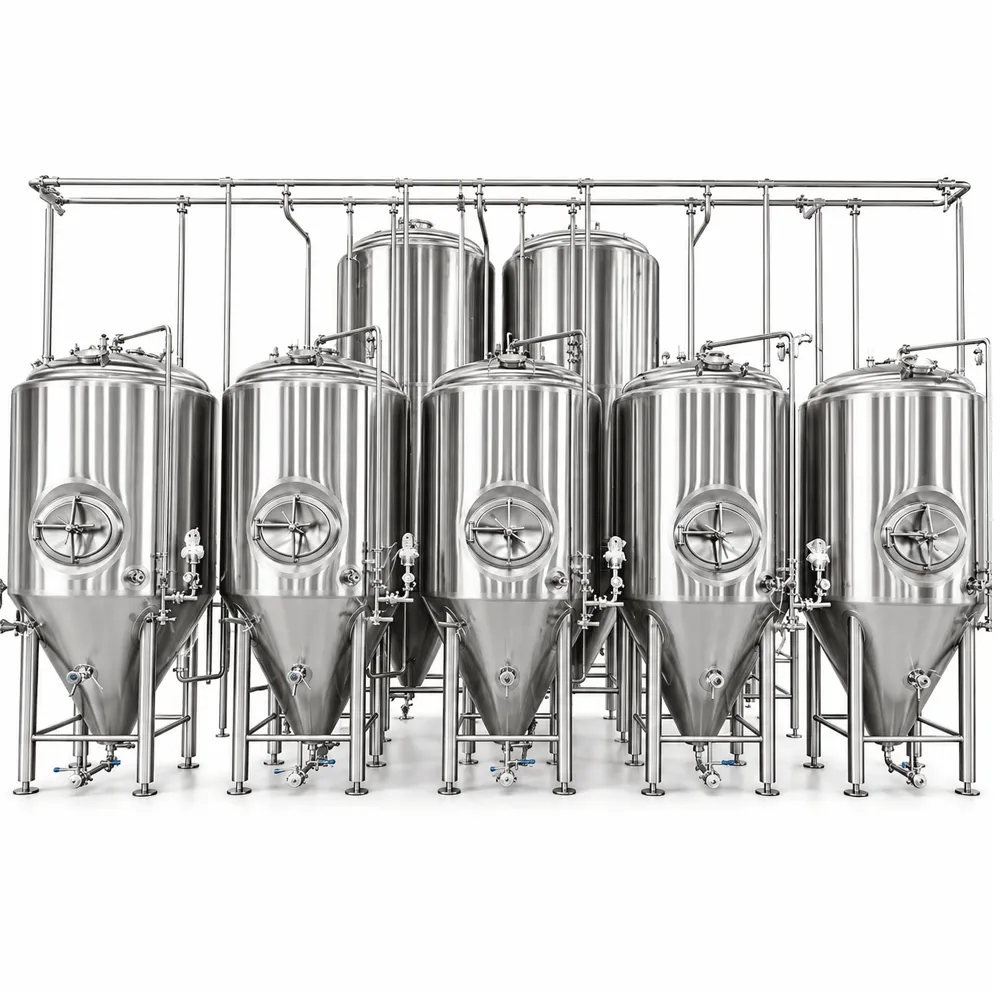
The equipment needed for a small brewery depends on your product, space, and daily output. However, most systems follow the same basic flow: mill the grain, mash it, separate the wort, boil it, cool it, ferment it, condition it, then package it into a keg, bottle, or other container.
The core hot-side equipment includes a mash tun, lauter tun, kettle, and sometimes a whirlpool tank. The mash tun helps convert grain starch into sugar. The lauter tun separates liquid wort from grain. The kettle boils the wort and helps develop flavor, stability, and hop character.
The cold side includes the fermenter, brite tank, chiller, and cellar support. This part controls fermentation, aging, carbonation, and preparation for serving or packaging. A good system should also include a cleaning and maintenance plan, because clean equipment protects beer quality.
| Process |
Attrezzatura |
| Grain preparation |
Malt mill |
| Mashing |
Mash tun |
| Wort separation |
Lauter tun |
| Boiling |
Brew kettle |
| Cooling |
Plate heat exchanger or immersion chiller |
| Fermentation |
Fermentatore |
| Temperature control |
Chiller and glycol system |
| Cleaning |
CIP unit |
| Serving or packaging |
Kegging, bottle filling, or canning support |
| Control |
Manual or semi-automated control panel |
How Do Mash, Wort, Fermentation, and Temperature Control Affect Beer Quality?
A good brew starts with a stable mash. During mash, crushed malt mixes with hot water. This step turns starch into fermentable sugar. If the temperature is unstable, the wort may not match the brewer’s target. That can change body, alcohol level, and flavor.
After mashing, the wort moves to boiling and cooling. The kettle must heat evenly, and the chiller must cool quickly enough for safe yeast pitching. Slow or unstable cooling can create process problems and waste time on brew day.
Fermentation is where yeast turns sugar into alcohol and flavor. This is why fermentation temperatures matter. If the fermenter cannot hold the right temperature, the beer may taste different from batch to batch. Good temperature control helps protect aroma, taste, and repeatability.
Good beer is not only about a good recipe. It is about repeating the same process with control.
Should You Choose All-Grain, BIAB, or an All-in-One Brewing System?
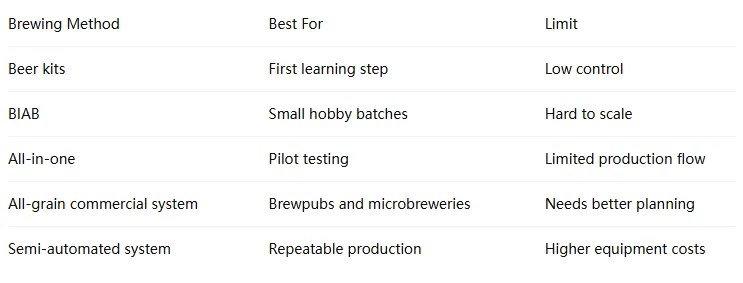
Many brewers begin with beer kits, then move to all-grain brewing. All-grain gives more control over flavor, body, and recipe design. It also teaches the brewer how mash, sparge, wort, hop timing, yeast, and fermentation work together.
BIAB means brew in a bag. It is a simple method often used in homebrewing. It can help new brewers understand grain brewing without buying a full mash tun and lauter tun setup. But for commercial use, BIAB is usually limited because it is harder to scale, clean, and repeat with high efficiency.
An all-in-one brewing system can work for small pilot tests or educational use. For a real small brewery, however, separate vessels often give better control and better workflow. A dedicated mash tun, kettle, fermenter, and chiller can make the brew day smoother and more predictable.
Choosing the Right Brewing Method
How Do You Plan Batch Size, Space, and Equipment Costs?
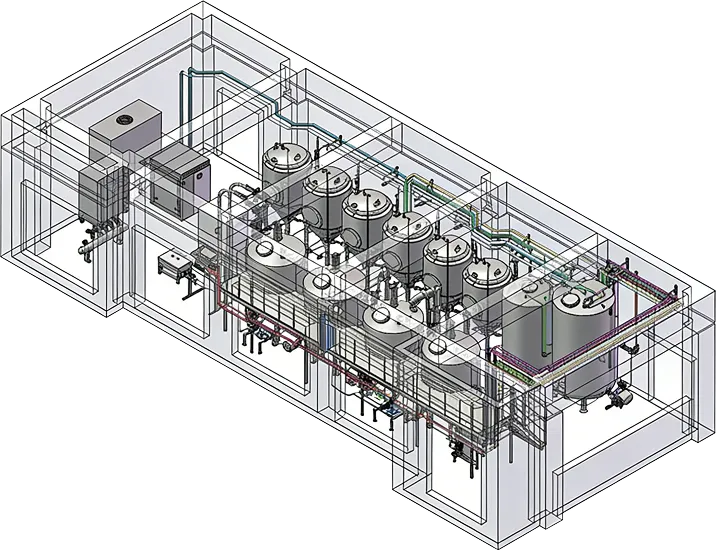
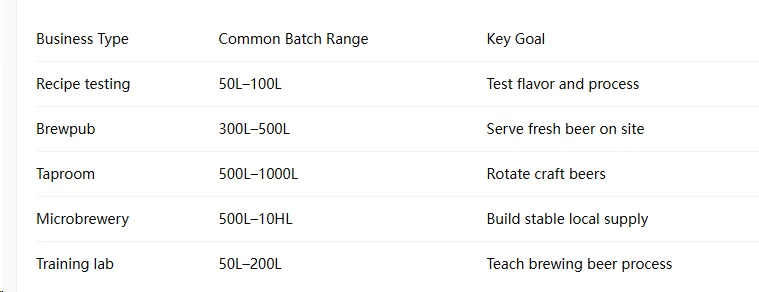
Batch size is one of the first choices you must make. A 5 gallon system is fine for home brewers. A 50L or 100L system can support testing, training, or pilot production. A 500L system may fit a brewpub. A 1000L system can support a growing microbrewery or small commercial plan.
Do not choose size only by price. Think about how much beer you can sell each week, how many styles you want to brew, and how much space you have. Also consider ceiling height, floor drain position, water supply, power, steam or electric brewing needs, ventilation, and cleaning space.
Equipment costs also go beyond the main brewhouse. You may need a chiller, pumps, hoses, fittings, controls, keg support, CIP, spare parts, and installation help. Used equipment may lower the first cost, but it should be checked carefully before purchase.
Simple Batch Planning Chart
What Role Do Fermenters, Chillers, Kegs, and Bottles Play?
Many buyers focus on the brewhouse first, but the cold side often decides real production capacity. If you have only one fermenter, your schedule stops when that tank is full. If you have several fermenters, you can brew more often and rotate products more easily.
The chiller is also important. It cools wort before fermentation and helps maintain tank temperature. For lager-style beers or warm climates, cooling performance becomes even more important. A weak chiller can slow production and affect quality.
Packaging also shapes the system. Some businesses serve from kegs. Some need bottle filling. Others plan cans later. If you want to carbonate beer before serving, you may need a brite tank or proper kegging process. Your packaging plan should be part of the system design, not an afterthought.
When Should You Upgrade from Homebrewing to Microbrewery Equipment?
You should upgrade when your goals become commercial. If you are only making beer at home, a simple homebrew setup may be enough. But if you plan to sell beer, serve customers, train staff, or build a brand, you need stronger equipment and better process control.
Signs that it is time to upgrade include:
- Your first batch tests are successful
- Friends or customers ask for repeat production
- You need more stable results
- Your current kettle or fermenter is too small
- Cleaning takes too much time
- You want to serve beer through a taproom
- You plan to register a small brewery or microbrewery
The upgrade does not need to be too large. A smart small brewing system can start compact and grow step by step. This reduces risk and protects cash flow.
How Can ZR Brew Help Design a Small Brewing System?
As a professional brewery and beverage equipment manufacturing plant, we design equipment around the customer’s real production plan. We do not only design equipment by tank volume. We look at beverage type, site space, batch target, heating method, cooling needs, cleaning method, control level, and future expansion.
For small batch brewery projects, we can provide customized stainless steel systems, fermentation tanks, brewhouse systems, and turnkey support. Our goal is to help customers build a practical system that is safe, clean, efficient, and ready for long-term use.
We often ask questions like:
- What batch size do you want to brew?
- How many batches per week do you plan?
- Will you use kegs, bottles, or both?
- Do you need electric, steam, or direct fire heating?
- How much floor space and ceiling height do you have?
- Do you plan to add more fermenters later?
- Do you need semi-automated control?
Good design starts with clear questions. Then the equipment becomes easier to use.
Why Does Sanitary Design Matter in Small Batch Brewing?
Small batch does not mean low standard. A small brewery still needs sanitary production. All beer-contact parts should be food-grade, smooth, and easy to clean. Poor cleaning can damage flavor, shorten shelf life, and create production risk.
CIP, or cleaning in place, helps clean the inside of tanks and pipes without full disassembly. This is useful for fermenters, brite tanks, and larger vessels. Even for small systems, a clear cleaning plan saves labor and supports better quality beer.
In practice, sanitary design includes smooth welds, proper drains, clean valve layouts, short dead legs, safe manways, and clear access for cleaning. These details may seem small, but they matter every day.
Can Small Batch Brewing Support Other Beverages?
Yes. A small batch system can support more than beer when it is designed correctly. Many beverage startups also explore kombucha, cider, fruit wine, cold brew coffee, and other fermented drinks. These products may need different tanks, cooling plans, and process steps.
For example, kombucha producers care about fermentation control and sanitary transfer. Cideries and wineries may need fermentation and storage tanks. Cold brew coffee producers may focus on extraction, filtration, and clean filling. A flexible system can support different beverages if the design equipment plan is clear from the start.
This is why we treat small batch projects as production systems, not simple machines. The right layout supports today’s product and tomorrow’s growth.
Frequently Asked Questions About Small Batch Brewery Equipment
What is small batch brewery equipment?
Small batch brewery equipment is a compact system used to brew smaller volumes of beer for pilot production, brewpubs, taprooms, startups, and microbreweries. It usually includes a brewhouse, fermenter, chiller, pumps, controls, and cleaning support.
Is small batch brewing only for home brewers?
No. Home brewers may start with a small setup, but commercial small batch brewing is different. It uses stronger stainless equipment, better process control, sanitary design, and larger batch sizes for business use.
What batch size should I choose for a small brewery?
It depends on your sales plan and space. A pilot system may be 50L or 100L. A brewpub may choose 300L or 500L. A growing microbrewery may choose 1000L or a 10HL system.
Do I need a mash tun and lauter tun?
If you want more control for all-grain brewing, a mash tun and lauter tun are helpful. Some small systems combine vessels to save space, while others use separate tanks for better efficiency and smoother brew day workflow.
Can I use propane or electric brewing for small batch production?
Both are possible. Propane may be used in some small setups, while electric brewing is often cleaner and easier to control indoors. The best choice depends on local rules, ventilation, power supply, and production scale.
Can I expand a small batch system later?
Yes. Many small systems can be expanded by adding more fermenters, brite tanks, cooling capacity, or packaging equipment. It is smart to plan future growth before ordering the first system.
Final Summary: What to Remember
- Small batch brewery equipment is ideal for brewpubs, taprooms, pilot lines, and microbrewery startups.
- A complete system includes hot-side brewing, cold-side fermentation, cooling, cleaning, and packaging support.
- Home brew tools are useful for learning, but commercial production needs stronger and cleaner equipment.
- Batch size should match your sales plan, floor space, utilities, and growth goals.
- Fermenters and chillers are just as important as the brewhouse.
- Sanitary design and cleaning support protect beer quality.
- A good system should be easy to use, easy to clean, and ready to upgrade.
- ZR Brew can help design a custom small batch brewing solution for your beer, beverage, and business goals.


 Pubblicato