

お見積りをご依頼ください
24時間以内にご返信いたします。お急ぎの場合は、WhatsAppまたはWeChat(+8613188932181)までご連絡ください。.
*当社はお客様のプライバシーを尊重し、すべての情報を保護いたします。.
お客様の情報は、お問い合わせへの回答にのみ使用し、未承諾のメールや宣伝メッセージを送信することは一切ありません。.
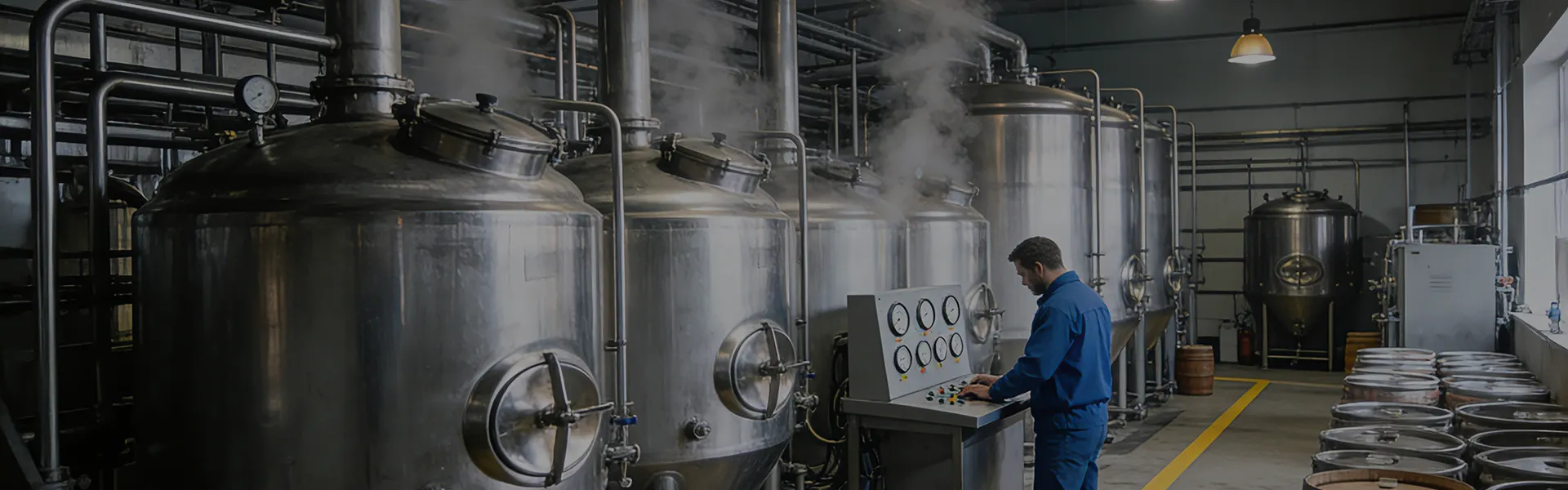
 公開日
公開日
ZR Brew Technical Team
Brewing, Fermentation and Beverage Equipment Engineering Team
Updated: September 22, 2026
To clean kombucha equipment safely, first isolate product and retained culture, then remove residue, wash with a compatible detergent, rinse, inspect, sanitize, and verify release. Cleaning removes soil; sanitizing treats an already clean surface. Chemical choice and exposure conditions must follow the equipment and chemical suppliers’ validated instructions.
Sweet tea residue, yeast sediment, biofilm, flavor ingredients, and product films must be physically and chemically removed before a sanitizer can contact the surface. Sanitizer cannot compensate for a dirty valve, hose, gasket, or tank wall. The U.S. FDA Food Code 2022 separates cleaning from sanitizing for food-contact equipment; local regulations and the facility’s food-safety plan remain controlling.
| Stage | Purpose | Release question |
|---|---|---|
| Product isolation | Keep finished kombucha and retained culture out of the cleaning circuit. | Are all product and culture vessels identified and physically separated? |
| Pre-rinse | Remove loose tea solids, yeast, and soluble residue before they dry. | Is gross soil removed without spreading residue to clean areas? |
| Detergent cleaning | Lift organic soil from tanks, pipes, valves, hoses, and filler parts. | Were chemistry, temperature, flow, and contact time within the approved SOP? |
| Rinse and inspection | Remove cleaning solution and expose remaining soil or damaged parts. | Are surfaces visibly clean, drainable, and free of chemical carryover? |
| Sanitizing | Treat the clean food-contact surface before production. | Was the validated sanitizer procedure completed and recorded? |
| Release | Confirm the equipment is ready for the next batch. | Did verification pass, and was the result documented? |
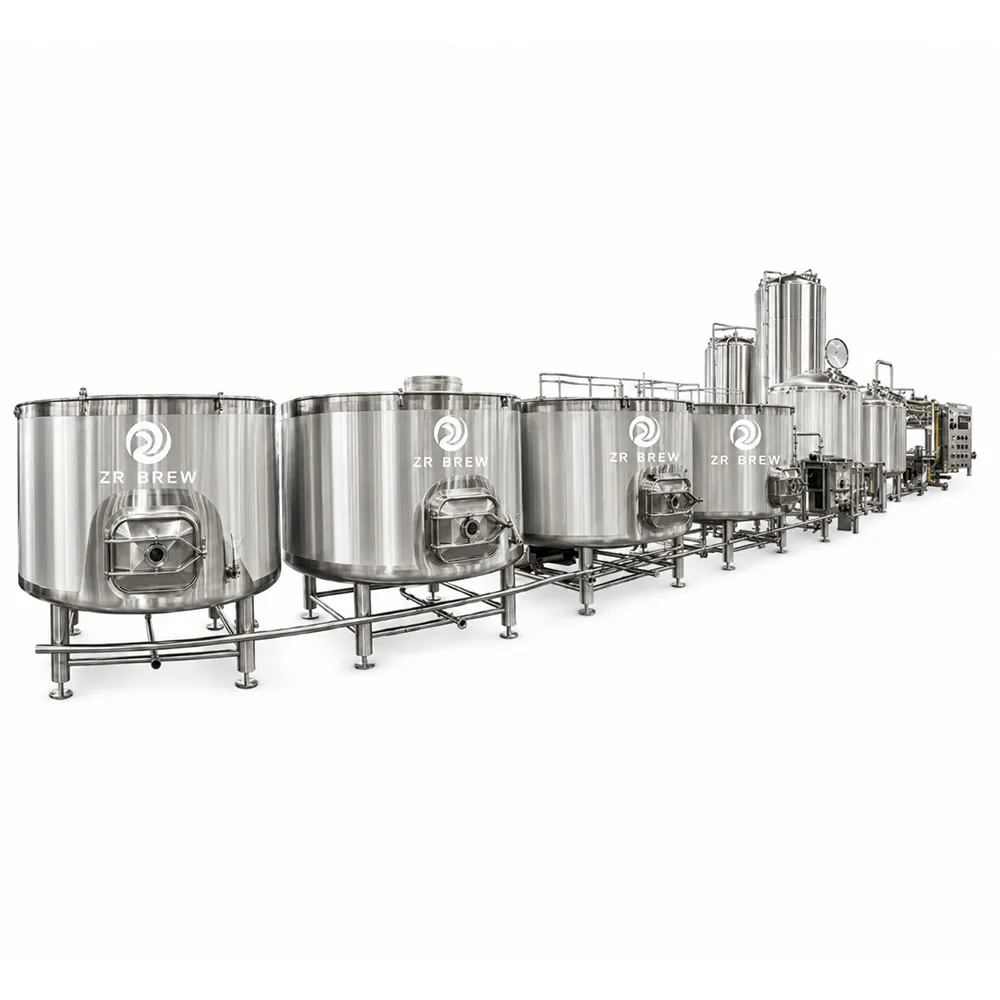
Finish the transfer and move any retained starter or culture to a designated, covered, identified vessel using the facility’s hygienic procedure. Close or disconnect product paths that must not receive cleaning chemicals. Never circulate cleaner through a vessel that still contains product or active culture. Record the tank, batch, retained culture location, and operator before cleaning starts.
Map the tank, spray device, transfer line, pump, heat exchanger, sample valve, racking valve, hoses, filler, and drain. Parts with shadow areas or low flow may require removal and separate cleaning. Compared with a generic home-kombucha jar routine, a commercial system needs defined return flow, full wetting, drainability, and separate handling for removable components.
Use the approved water quality and temperature for the equipment and process. Direct the rinse to the correct drain and observe the return for color, solids, and foam. Excessively forceful spraying can spread contamination outside the cleaning boundary; insufficient flow leaves sediment in valves and low points. Stop when the facility’s rinse endpoint is met, not merely after a fixed habit-based time.
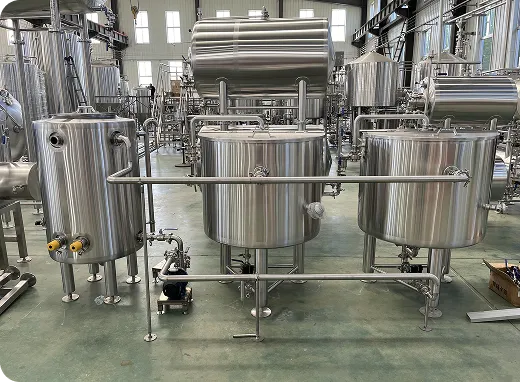
Select chemistry that is compatible with SUS304 stainless steel, elastomers, pump seals, instruments, and any other wetted material. Follow the chemical supplier’s label and safety data sheet for concentration, temperature, contact time, mixing order, and personal protective equipment. Verify circulation reaches every spray device, line branch, valve cavity, and return path. Do not improvise stronger concentration or higher temperature to shorten the cycle.
ZR Brew’s published ZR-KBC-2500L kombucha system uses SUS304 stainless steel and includes a brewhouse, fermentation section, cooling system, CIP support, and PLC semi-automatic control. Its stated capacity is 2500L per batch; the exact cleaning circuit, chemical compatibility, and operating limits must be confirmed from the supplied project documents.
Apply the approved food-contact sanitizer to the clean equipment using its validated concentration, contact time, temperature, and final-rinse requirements. Keep sanitized hoses capped and connections protected during reassembly. Schedule sanitizing close enough to production that the system is not left open or wet for an uncontrolled period.
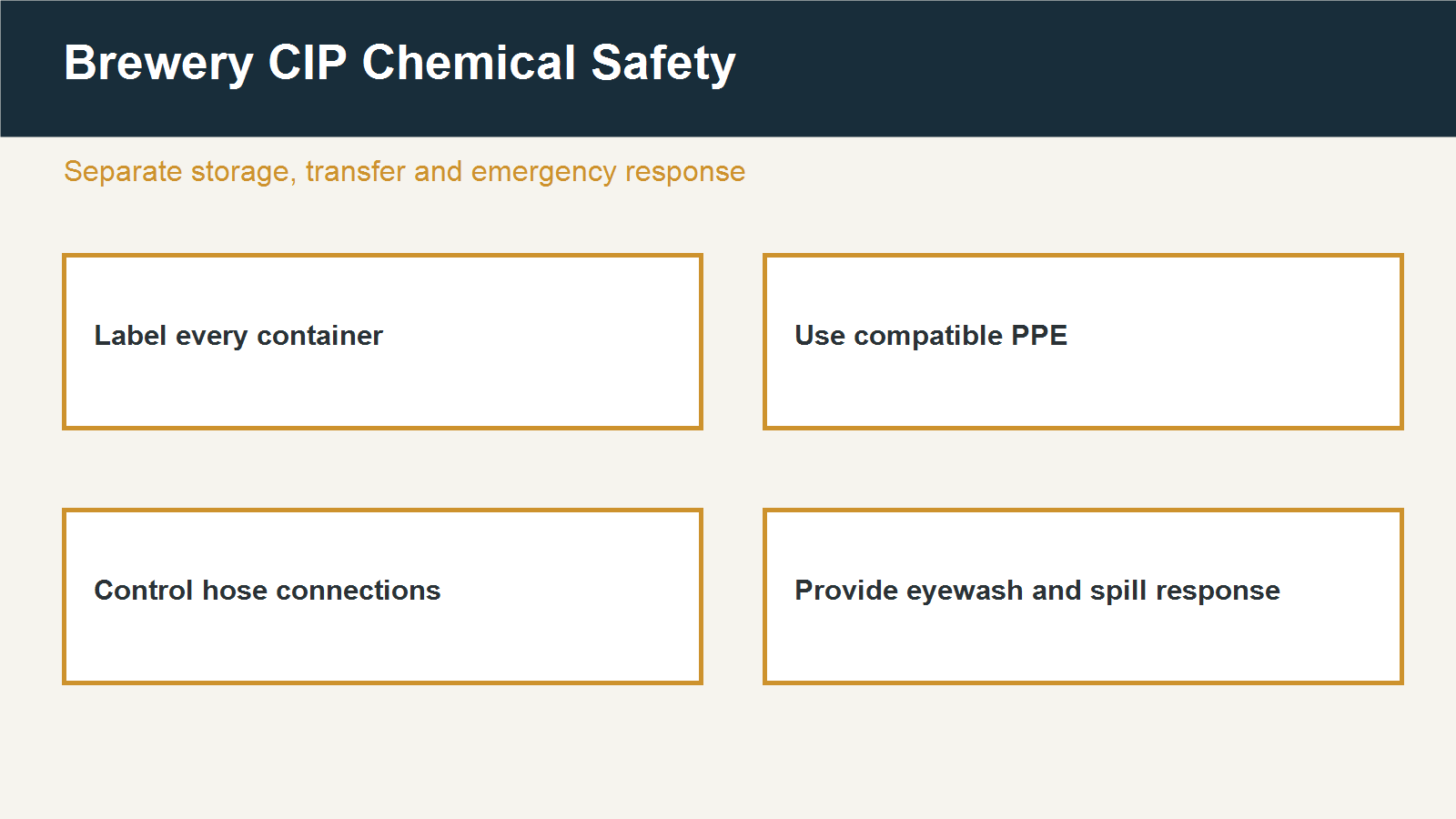
Visual inspection is the minimum check, not the only possible one. A facility may add rinse endpoint checks, ATP testing, microbiological trending, conductivity, pH, or another validated method based on its hazard analysis. Define the acceptance limit, sampling point, responsible person, and action for a failed result. Trend recurring failures by valve, hose, tank, or filler component instead of repeatedly extending the entire cycle.
No. Tea solids, sugar, fruit, herbs, flavors, and fermentation conditions can change the soil load. The core sequence can remain stable, but the validated cycle and disassembly points may need recipe-specific controls.
No. Retained culture and starter should be isolated in their designated hygienic vessel before equipment cleaning and sanitizing begin.
The frequency must follow the facility’s validated food-safety and production SOP. Product changeovers, allergen controls, flavor additions, inspection findings, and verification trends can require additional cleaning.
Only when the circuit provides verified flow and contact to every wetted surface. Dead legs, valve cavities, hose ends, gaskets, and filler parts may require removal and separate cleaning.
Review the broader CIP cleaning workflow and ZR Brew’s commercial kombucha equipment. For a project-specific cleaning circuit and equipment configuration, contact the ZR Brew project team.
Author: ZR Brew Technical Team, Brewing, Fermentation and Beverage Equipment Engineering Team. The team supports planning, engineering, manufacturing, installation, and commissioning for brewery and beverage-processing projects.
24時間以内にご返信いたします。お急ぎの場合は、WhatsAppまたはWeChat(+8613188932181)までご連絡ください。.
*当社はお客様のプライバシーを尊重し、すべての情報を保護いたします。.
お客様の情報は、お問い合わせへの回答にのみ使用し、未承諾のメールや宣伝メッセージを送信することは一切ありません。.