

お見積りをご依頼ください
24時間以内にご返信いたします。お急ぎの場合は、WhatsAppまたはWeChat(+8613188932181)までご連絡ください。.
*当社はお客様のプライバシーを尊重し、すべての情報を保護いたします。.
お客様の情報は、お問い合わせへの回答にのみ使用し、未承諾のメールや宣伝メッセージを送信することは一切ありません。.
 公開日
公開日
給湯の問題は、家庭やカフェ、醸造所、飲料工場などの業務をたちまち停止させてしまう可能性があります。システムの容量が小さすぎたり、設計が不十分だったりすると、作業の遅れや無駄が生じ、洗浄の品質も不安定になります。給湯器の仕組みを理解することで、より安全で効率的な機器を選ぶことができます。.
給湯タンクは、貯湯タンクに冷水を満たし、ガスバーナーや電気ヒーターで加熱し、蛇口や配管が開くとタンクの上部から温水を供給するという仕組みになっています。温水が排出されると、ディップチューブを通じて冷水がタンク内に流入し、システムは新たに流入した水を再び加熱します。.
給湯タンクはどのように機能するのか? 給湯器、温水器、貯湯タンクの仕組みを解説
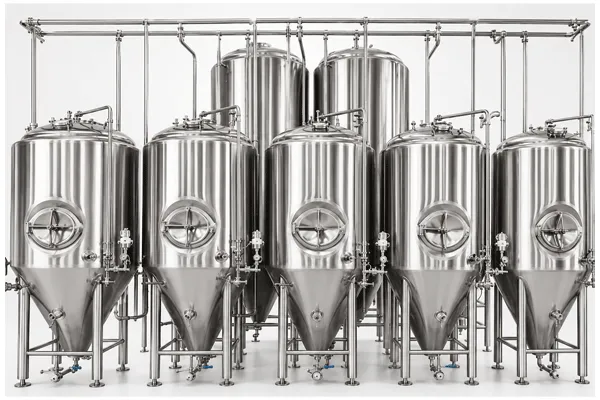
A 給湯タンク これは、後で使用するために温水を貯めておく装置です。市場によっては、貯湯式給湯器、給湯器、温水タンク、または貯水タンクなどとも呼ばれます。その仕組みは単純で、必要な前に水を温め、断熱タンク内でその温水を保温しておくというものです。.
家庭では、給湯器はシャワー、洗面台、食器洗い機、洗濯機などに給湯します。一方、業務用飲料施設では、お湯は洗浄、衛生管理、醸造補助、ボトル洗浄、ユーティリティライン、および製造工程の準備などに利用されます。規模は異なりますが、基本的な考え方は同じです。.
貯水タンクは、単に容量だけの問題ではありません。必要な温水の量、回復速度、建物のレイアウト、そして安全要件に合致している必要があります。醸造所、ブリューパブ、コンブチャ製造施設、サイダー醸造所、ワイナリー、コールドブリューコーヒー製造業者にとって、温水の計画が不十分だと、生産の遅れや運営コストの増加につながる恐れがあります。.
「給湯器はどのように機能するのか」という疑問にわかりやすく答えるには、このシステムを一連のサイクルとして考えてみてください。冷水がタンクに入り、ヒーターがそれを温め、温水は上方に上昇し、必要なときにシステムから供給されます。サーモスタットが水温を監視し、いつ再び加熱を開始すべきかをシステムに指示します。.
簡単な流れは以下の通りです:
| ステップ | 何が起こるのか | その重要性 |
|---|---|---|
| 1 | 底から冷水が流れ込む | 使用後はタンクに水が補充されます |
| 2 | 熱源が作動する | システムが湯を温め始めます |
| 3 | 熱いお湯は上に上がる | お湯は上の方にたまる |
| 4 | ユーザーが蛇口を開ける | お湯は注ぎ口から出ていきます |
| 5 | 新しい水が入ってくる | タンクが再び温まり始めます |
これが貯湯タンクの基本的な動作原理です。このシステムは、蛇口を開けるたびに待たなくて済むよう、数ガロンの温水を貯めておきます。そのため、家庭や小規模な商業施設では、タンク式給湯器が今でも広く普及しています。.
貯湯式給湯器は、タンクと熱源で構成されています。電気給湯器では、1つまたは複数の発熱体が電気を用いて水を加熱します。ガス式給湯器では、タンクの下にあるバーナーが水を加熱します。ガスバーナーや電気発熱体が、実際の加熱作業を担っています。.
タンク内では、加熱源に近い水が最初に温まります。温かい水は冷たい水よりも密度が低いため、上層の温かい水が利用可能になります。一方、温度の低い水はタンクの底付近に留まり、そこで再び加熱されることになります。.
米国エネルギー省によると、貯湯式給湯器は、水を貯めている間に「待機時の熱損失」と呼ばれる熱の一部が失われることがあるという。また、断熱性を高めることで、この熱損失を低減できるとも指摘している。.
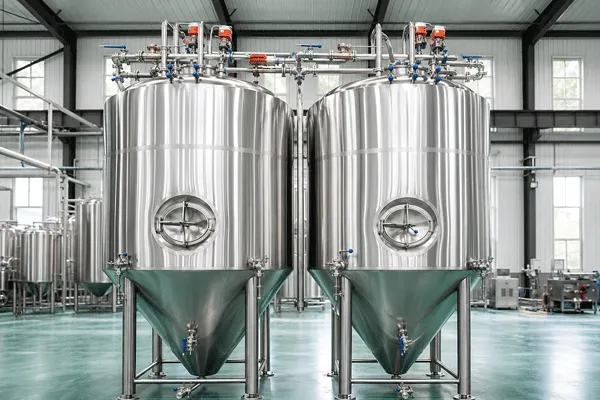
法人顧客にとっては、この点が重要です。もしあなたの 醸造所または飲料工場 お湯を長時間、大量に貯めておくと、エネルギーの無駄遣いになる可能性があります。タンクが小さすぎると、掃除や作業中に湯切れを起こす恐れがあります。.
給湯タンクはどのように機能するのか? 給湯器、温水器、貯湯タンクの仕組みを解説
お湯を出すと、本管からの水圧によって水が配管システム内を押し流されます。お湯は、通常タンクの上部付近にある給湯口から出てきます。これは、最も温度の高いお湯が自然に上昇するためです。.
同時に、ご自宅や施設の給水管から冷水が給水口を通って流入します。多くの貯湯式システムでは、冷水はチューブを通じてタンクの下部から流入します。これにより、流入した冷水が上部の温水層とできるだけ長く混ざらないようにすることができます。.
この設計により、給湯器は素早くお湯を供給できるようになっています。しかし、需要が過剰になると、タンクが補充される速度よりも早く空になってしまうことがあります。その場合、利用者はお湯の温度にばらつきを感じたり、お湯の出が弱くなったりすることに気づくでしょう。.
貯湯式給湯器は外見はシンプルに見えますが、タンク内部ではいくつかの部品が連携して機能しています。最も重要な部品としては、タンクの外殻、断熱材、ディップチューブ、サーモスタット、加熱源、圧力逃がし弁、排水弁、および陽極棒などが挙げられます。.
| パート | 簡単な関数 |
|---|---|
| 戦車砲弾 | 内部に水をためる |
| 断熱 | お湯を温かい状態に保つ |
| ディップチューブ | 流入する冷水を下方に送る |
| サーモスタット | 水温を制御する |
| 発熱体またはバーナー | 水を温める |
| T&P安全弁 | Releases water if pressure or temperature gets too high |
| Drain valve | Helps remove sediment |
| Anode rod | Helps keep your tank from corroding |
The pressure inside the tank must be managed safely. If temperature or pressure becomes too high, safety devices help release water. For this reason, professional heater installation is important. A poorly installed system can cause leaks, poor performance, or safety risks.
For stainless steel beverage equipment, the idea is similar but the standards are higher. Tanks, jackets, valves, pipework, and control systems must support cleaning, stable operation, and sanitary production.
An electric water heater uses an electric heating element to heat the water. These electric models are common where electricity is easy to supply and gas is not available. They are often simple to install, but recovery speed and operating cost depend on power rating and local electricity price.
A gas water heater uses natural gas or another fuel. In a gas water system, a burner heats the tank from below. Gas models may recover faster in some applications, but they need proper venting, combustion air, and safety checks.
Here is a simple comparison:
| 特集 | Electric Water Heater | Gas Water Heater |
|---|---|---|
| Heat source | Electric element | Gas burner |
| Venting | Usually not needed | Usually needed |
| Installation | Often simpler | More safety planning |
| Recovery speed | Depends on power | Often faster |
| Best fit | Small to medium use | Higher demand use |
For beverage equipment projects, we also consider steam heating, direct electric heating, hot water jackets, and heat exchange systems. The best heating system depends on production capacity, local utility cost, building layout, and cleaning plan.
A tankless water heater heats water directly when water flows through the unit. There is no need for a storage tank. The Department of Energy says tankless water heaters provide hot water only when needed and can avoid standby energy losses. It also notes that many tankless units provide about 2–5 gallons per minute, depending on model and conditions.
A storage water heater is different. It keeps water hot in advance. This can be useful when users want hot water quickly or need a sudden short burst. The tradeoff is that the tank may lose heat over time.
| System Type | Main Advantage | Main Limitation |
|---|---|---|
| Storage tank | Ready supply of hot water | Can run out during high demand |
| Tankless unit | Heats water as needed | Flow rate is limited |
| Hybrid system | Better energy performance | Higher upfront cost |
| Solar system | Uses renewable energy | Depends on site and climate |
For homes, both water heaters and tankless systems can work. For breweries and beverage plants, we often design a complete water heating system instead of choosing one machine alone.
The right type of water heater depends on demand. A small café may need fast sink water and cleaning support. A brewpub may need hot water during high-demand periods. A commercial brewery may need a planned supply for cleaning, brewing, and utilities.
Common systems include conventional storage units, gas units, electric units, tankless systems, heat pump water heaters, and solar water heaters. The Department of Energy explains that solar water heating systems use storage tanks and solar collectors.
Use this quick guide:
| Application | Likely Need | Possible System |
|---|---|---|
| Home shower use | Comfort and low cost | Conventional hot water tank |
| Restaurant kitchen | Constant washing | Larger storage or gas system |
| Brewpub | Cleaning and process support | Custom hot water system |
| Beverage startup | Flexible capacity | Modular tank and heater layout |
| Commercial brewery | Stable production | Engineered utility system |
The type of hot water use matters too. Water for handwashing is not the same as water for CIP cleaning, bottle rinsing, mash support, or heat exchange. Good planning starts with real use cases.
In beverage production, reliable hot water supports more than comfort. It helps clean tanks, prepare process lines, rinse equipment, support sanitation steps, and reduce downtime. If the hot water supply is unstable, workers wait. Tanks sit idle. Production plans fall behind.
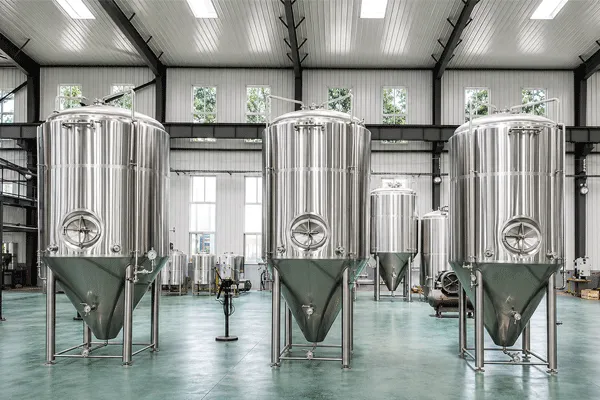
As a professional brewery and beverage equipment manufacturing plant, we design customized stainless steel brewing systems, fermentation tanks, brewhouse systems, and turnkey brewery solutions for global B2B customers. Our buyers include craft breweries, brewpubs, taprooms, microbreweries, kombucha producers, cideries, wineries, distilleries, cold brew coffee plants, investors, and engineering contractors.
For these customers, water heater planning connects with the whole plant:
In short, you should not only ask, “Can this unit provide hot water?” You should ask, “Can this system support my production every day?”
給湯タンクはどのように機能するのか? 給湯器、温水器、貯湯タンクの仕組みを解説
Many buyers choose equipment based only on today’s batch size. That can work at first. But growth comes fast. When production increases, the original water heater may not recover fast enough. Then the team waits for new water to heat again.
A simple production planning table helps:
| Project Stage | Common Problem | Better Planning Choice |
|---|---|---|
| Startup brewery | Small budget | Flexible tank layout |
| Brewpub | Peak cleaning demand | Larger hot water reserve |
| Kombucha plant | Many batches | Stable warm water support |
| Distillery | Cleaning plus process use | Engineered utility supply |
| Commercial brewery | High daily output | Full utility and CIP design |
A system must match the supply of hot water needed during real work. Ask how many tanks you clean per day. Ask how much water each cleaning cycle needs. Ask how fast the heater must recover. Ask what happens when production and cleaning overlap.
This is why we recommend custom capacity planning before equipment purchase. The goal is simple: reduce labor cost, improve production flow, and protect beverage quality.
Good water heater maintenance helps the system last longer and work better. Sediment can collect at the bottom of the tank, especially in areas with hard local water. This can reduce heating performance, create noise, and shorten equipment life.
Important maintenance tasks include:
The Department of Energy recommends proper sizing when selecting a new unit so the system can meet demand efficiently.
For industrial and beverage systems, maintenance should also include pumps, valves, sensors, heat exchangers, and control panels. The heater needs to be part of a larger service plan.
A new water heater may be needed when performance drops, repair costs rise, or safety becomes uncertain. Common signs include leaks, rusty water, slow recovery, unstable temperature, strange noise, or frequent shutdowns.
If the tank cannot keep up with your hot water load, do not only blame the heater. The real issue may be undersizing, poor pipe layout, hard water scaling, wrong control settings, or a process change. In a beverage plant, demand grows as more tanks and packaging equipment are added.
Before replacing equipment, review:
For B2B projects, the best answer may not be a single replacement unit. It may be a better-designed production utility system.
A hot water heater works by filling a tank with cold water, heating the water, storing it, and sending hot water out when a tap or process line opens. As water is drawn out, incoming cold water refills the tank.
You may run out of hot water when demand is higher than the tank capacity or recovery speed. This often happens during long showers, dishwashing, cleaning cycles, or production peaks.
A tankless water heater can save space and reduce standby heat loss, but its flow rate is limited. A storage tank gives ready hot water but can lose heat while storing it. The better choice depends on demand.
Sizing depends on peak demand, flow rate, recovery speed, and usage pattern. For a home, count showers and appliances. For a brewery or beverage plant, calculate cleaning cycles, tank volume, and process demand.
Sometimes yes, but it depends on batch size, cleaning schedule, and process layout. Many breweries need a custom hot water plan, not only a residential-style unit.
The temperature of the water affects comfort, cleaning, energy use, and safety. In beverage plants, stable temperature also supports repeatable cleaning and production results.
24時間以内にご返信いたします。お急ぎの場合は、WhatsAppまたはWeChat(+8613188932181)までご連絡ください。.
*当社はお客様のプライバシーを尊重し、すべての情報を保護いたします。.
お客様の情報は、お問い合わせへの回答にのみ使用し、未承諾のメールや宣伝メッセージを送信することは一切ありません。.